
-
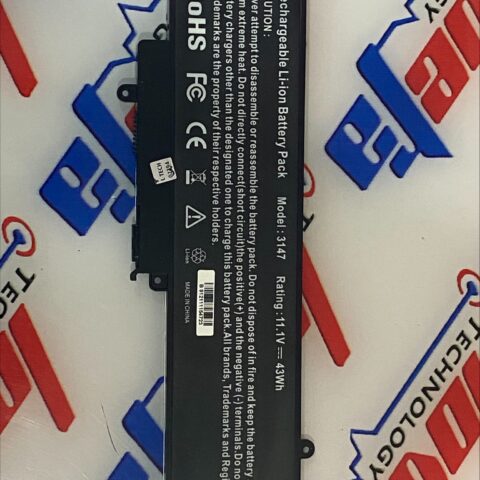 1 × $3,500.00
 -
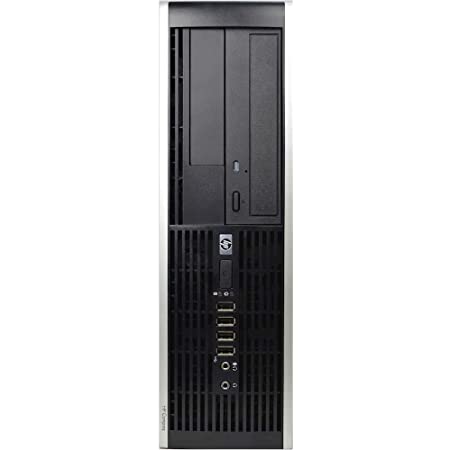
-
 1 × $2,500.00
 -
 1 × $500.00
 -
 1 × $2,600.00
 -
 1 × $1,017.00
 -
 1 × $1,600.00
 -
 1 × $1,400.00
 -
 1 × $750.00
 -
 1 × $1,700.00
 -
 1 × $1,600.00
 -
 1 × $3,000.00
 -

-
 1 × $580.00
 -

-
-
 1 × $4,200.00
 -
 1 × $6,200.00
 -
 1 × $1,800.00
 -
-
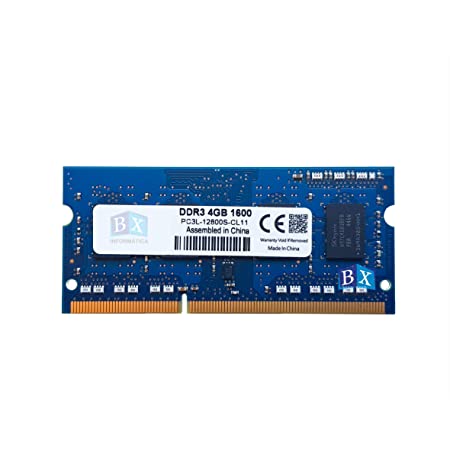 1 × $1,450.00
 -
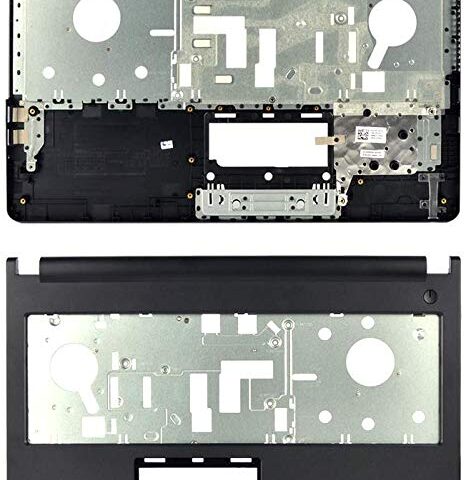 1 × $4,000.00
 -
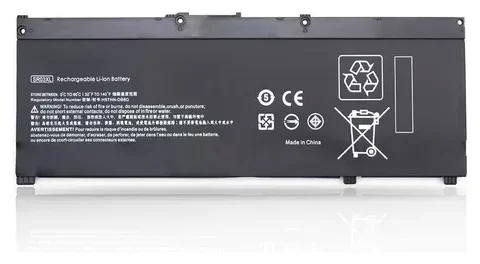 1 × $4,000.00
 -
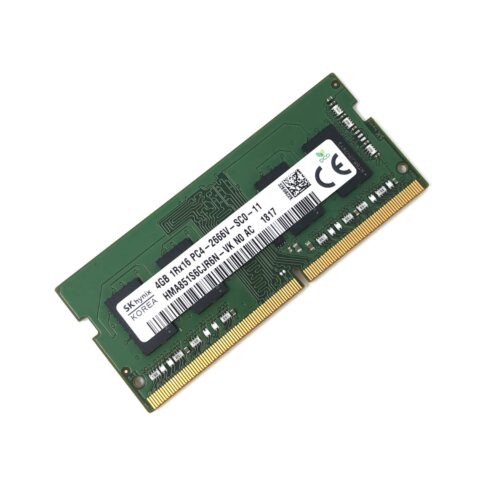 1 × $1,650.00
 -
 1 × $3,799.95
 -

-
-
-
-
 1 × $8,200.00
 -
 1 × $2,100.00
 -
 1 × $2,500.00
 -
 1 × $639.00
 -
 1 × $1,275.00
 -
-
-
 2 × $3,500.00
 -
 1 × $5,000.00
 -
 1 × $2,500.00
 -
-
-
 1 × $2,400.00
 -
 19 × $600.00
 -
 2 × $27,000.00
 -
-
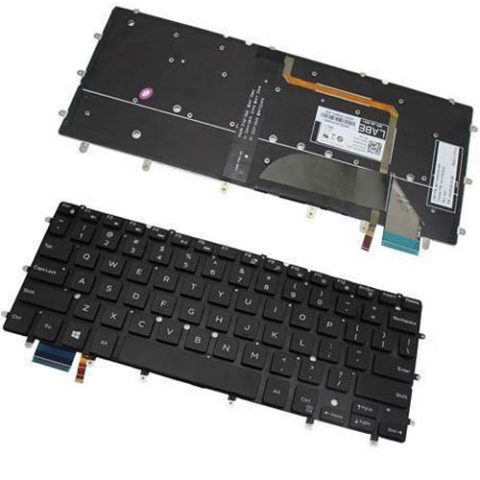 1 × $2,500.00
 -
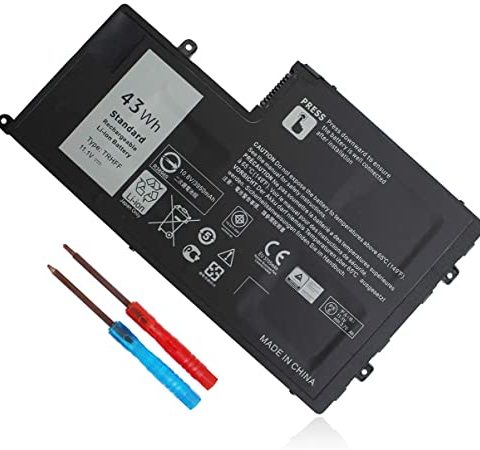 1 × $3,500.00
 -
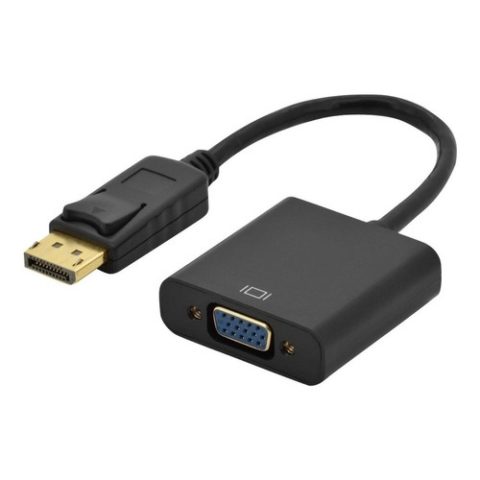 13 × $400.00
 -
 2 × $1,800.00
 -
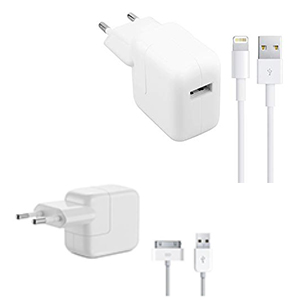 13 × $800.00
 -
 1 × $1,800.00
 -
 1 × $18,800.00
 -
-
 2 × $2,600.00
 -
 3 × $85.00
 -
 3 × $250.00
Okay, so check this out—I’ve been elbow-deep in wallets and liquidity pools for years, and somethin’ nags at me every time a new «all-in-one» app launches. Wow! The promise is seductive: trade across chains, stake for yield, and keep keys offline — all from one interface. But the reality is messier, and you can lose more than fees if you don’t think like both a trader and a custodian. My instinct said the industry would converge faster, though actually, wait—let me rephrase that; convergence is happening, but it’s messy and uneven.
Here’s the thing. Multi-chain DeFi users have different priorities than casual HODLers. Really? Yes, really. They want deep liquidity and low slippage, but they also need deterministic safety when moving assets between chains. On one hand you need fast on-chain execution for arbitrage and liquidity farming; on the other hand you need hardware-level key security to sleep at night. Those two goals often pull in opposite directions.
When I first started, I thought wallets were simple address books. Initially I thought a seed phrase was enough, but then realized that UX, device support, and integration with exchanges determine whether you can actually act on market signals. Hmm… my first trades taught me that a delayed transaction during a flash pump costs more than the gas you saved. So now I factor execution velocity into my custody decisions.
DeFi trading needs speed. Short. Execution matters. Slippage and MEV eat profits. Longer, more complex thought: if your wallet workflow forces extra confirmations, or routes every transaction through a remote service that you can’t audit, you’re adding asymmetric risk that bites selectively during volatility—precisely when you most need control.
I’ve tested dozens of setups—software-only wallets, ledger-like hardware keys, and custodial bridges—and the pattern is clear. Wow! Hardware wallets protect against key extraction, but if the software layer mis-signs or the bridge is hacked, keys are only half the story. You still need solid integration between the wallet, the exchange, and the chain routers. Trust is layered.
Let me give a candid example: last year I tried combining a hardware wallet with a DEX router through a mobile app. It worked fine for days. Then a routing change left my signed transactions pending, and I had to manually cancel on-chain while the market swung. That moment bugs me—because the hardware device did its job, but the orchestration around it failed. I’m biased, but I think product teams underinvest in those coordination flows.
So what matters, practically? Security, UX, and multi-chain liquidity. Those are the big three. Short sentence to punctuate. Security means private keys are guarded and sign operations are explicit. UX means you can approve or reject a complex batch without cognitive overload. Liquidity means you can find good prices across chains without namespace hell or repeated bridges that crater fees.
Trade-offs are unavoidable. On one hand, native chain bridges reduce friction; on the other hand, they increase attack surface and custody complexity. Initially I trusted wrapped tokens more than I should have, though actually, wait—let me correct that: wrapped tokens are useful, but you must understand issuer risk and redemption paths. That nuance is where many traders fail.

How to think about staking rewards without losing sight of trader needs
Staking is seductive—APYs shout at you from every interface. Seriously? Yes, the numbers can be intoxicating. But yields are not the whole story. Inflation rates, tokenomics, and lock-up periods all modify the effective return. And then there are slashing risks if you delegate to a misbehaving validator or a validator pool that gets targeted. Short thought: always read the fine print.
For active traders, staking should be strategically aligned. You want liquid staking derivatives that let you keep exposure while you trade, or fast unstake windows if you need capital back for an arbitrage. Longer sentence to keep nuance: if your staking solution mints a derivative token, you must consider peg stability, secondary market depth, and the smart contract risks embedded in those derivative protocols before allocating more than you can afford to be illiquid for months.
I’ve used liquid staking to keep yield running while scalping in other pools. Wow! It helped. That said, when the derivative peg deviated during stress, it reaped what it sowed—losses that were vexing because they were unexpected. A few times I muttered «Hmm…» and then dug into contract calls at two in the morning. Not fun. But that taught me to diversify staking counterparties and to prefer derivative providers with transparent reserves and good audits.
Rewards compounding is powerful, but compounding across multiple protocols becomes hard to measure. Very very complex. You need dashboards that consolidate APYs, fees, and tax lot basis—especially important for US traders who face specific IRS reporting rules. Tax is often the overlooked killer of nominal yields.
Security and staking intersect. If you stake via a smart contract controlled by a custodial provider, your exposure includes that provider’s operational risk. If you stake directly with a validator using a hardware key, you reduce some attack vectors but incur lock-up and uptime risk. On balance, think like a portfolio manager, not a yield-chaser.
I should say: I’m not 100% sure about every validator’s long-term reliability—no one is—but patterns repeat. Large professional validators with diversified infrastructure and good incident disclosure tend to survive stress events more gracefully. Also, economic alignment matters; validators with strong community ties behave differently than profit-first operators.
Why hardware wallet support still matters for DeFi power users
Hardware wallets are the anchor. Short clarification. They prevent remote key extraction. They also force you to consciously sign every operation, which is both a blessing and a nuisance. You feel safer; you also click more. On the other hand, poorly designed hardware integrations can produce confusing notifications that lead to blind acceptance—a usability trap.
My gut feeling has always been that the best solutions combine hardware-backed keys with intelligent software that explains transactions in plain English before signing. On one occasion I rejected a seemingly benign batch because the meta-data revealed a stealthy token approval. That saved me from a rug pull. So yes, hardware alone isn’t enough; it’s the combo that matters.
Interoperability is key. Devices should work across desktop, mobile, and in-browser dApps without forcing dangerous workarounds. When companies add exchange integration, like seamless on-ramps or cross-chain swaps, suddenly hardware becomes central to preserving custody while allowing efficient execution. That’s rare, though—most products force a trade-off between custody and speed.
Okay, check this out—if you want the slick balance, look for wallets that explicitly support hardware signing for multi-chain swaps and staking operations, and that can route trades through reputable aggregators without exposing your keys. That way you keep custody and still capture market moments. There’s a small list of players doing this well.
One such practical option I’ve used in testing is the bybit wallet—its integration aims to bridge trading convenience and custodial responsibility, with hardware-compatible flows and multi-chain support. Seriously, I mention it because it solved a coordination headache for me when I needed to stake on-chain while keeping keys on-device. It’s not perfect, but it was notably better than several alternatives I tried.
Now—tactical checklist for traders:
– Use a hardware wallet for large balances and long-duration stakes.
– Keep an operational hot wallet for small, intraday moves, but minimize its balance.
– Prefer liquid staking if you need capital flexibility, but vet the peg mechanics.
– Choose routing/aggregators with auditable contracts and plenty of volume.
– Rehearse your emergency flows: how to cancel, how to rebroadcast, how to recover from nonce issues. Practice matters.
FAQ
How do I balance staking yields with liquidity needs?
Short answer: split capital based on time horizon. Keep a tactical pool for trading and a strategic pool for staking. If you need quick liquidity, favor liquid staking derivatives with deep secondary markets. If you can tolerate lockups, direct staking often yields higher nominal returns. Also, plan for tax and slashing scenarios—those reduce practical yield.
Can hardware wallets handle multi-chain DeFi operations?
Yes, but with caveats. Most hardware devices can sign transactions for many chains, but the software layer that prepares and displays the transaction matters more than the device. Make sure the wallet app you use interprets contract calls clearly and supports the exact chains and token standards you care about. Always test small amounts first.
Is using a wallet with exchange integration safe?
It depends. Integrations can offer convenience and lower friction, but they introduce complexity and sometimes centralized touchpoints. Verify what stays on-device, what is proxied through a server, and the provider’s incident history. If the provider supports hardware signing and keeps custody on-device while offering secure routing, that’s a good sign.

18 Comments