
-
-
-
 1 × $45.90
 -
 1 × $2,800.00
 -
 1 × $3,500.00
 -
 1 × $160.00
 -
-
 1 × $2,100.00
 -
 1 × $3,500.00
 -
-
 1 × $4,200.00
 -
-
 1 × $244.00
 -
 1 × $2,000.00
 -
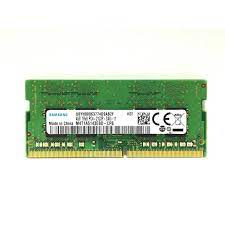 1 × $2,800.00
 -
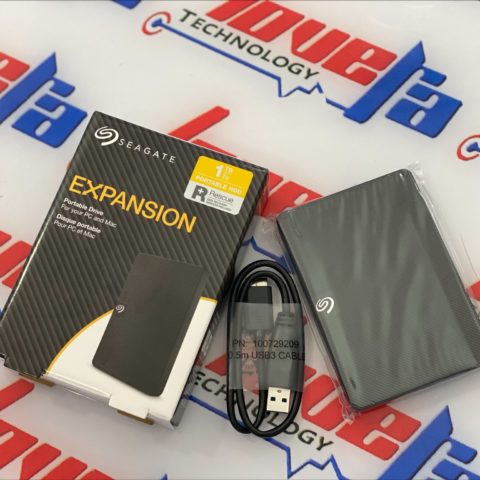 1 × $3,450.00
 -
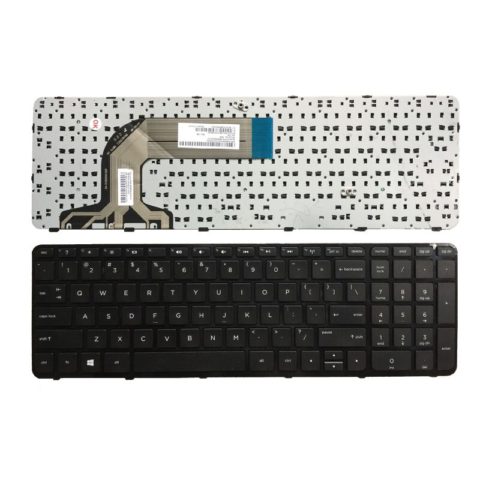 1 × $3,150.00
 -
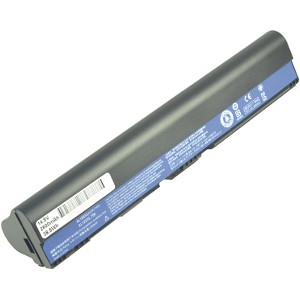 1 × $2,200.00
 -
 1 × $4,200.00
 -
-
 1 × $1,540.00
 -
 1 × $2,000.00
 -
 1 × $2,400.00
 -
 1 × $2,500.00
 -
 1 × $2,500.00
 -
 1 × $2,000.00
 -
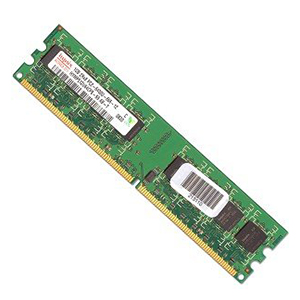 1 × $295.00
 -
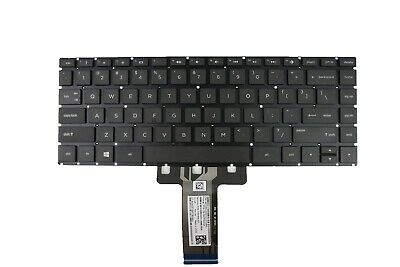
-
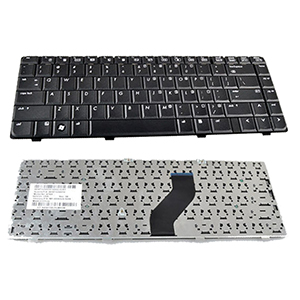 2 × $1,184.00
 -
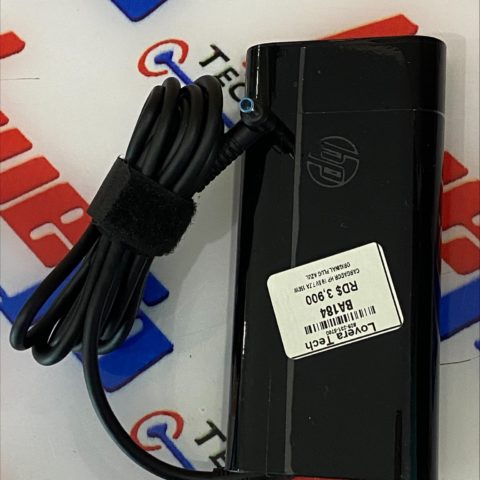 6 × $3,800.00
 -
 1 × $380.00
 -
 3 × $1,500.00
 -
-
-
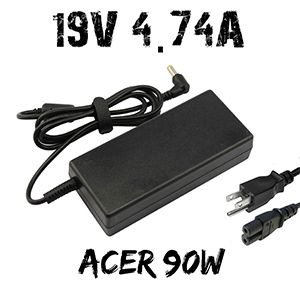 1 × $970.00
 -
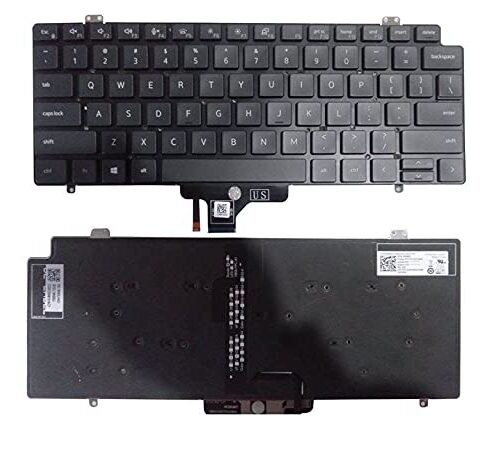 1 × $2,700.00
 -
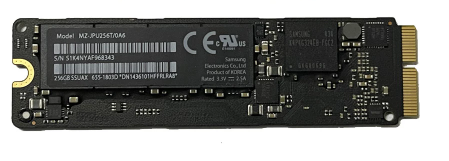 7 × $2,250.00
 -
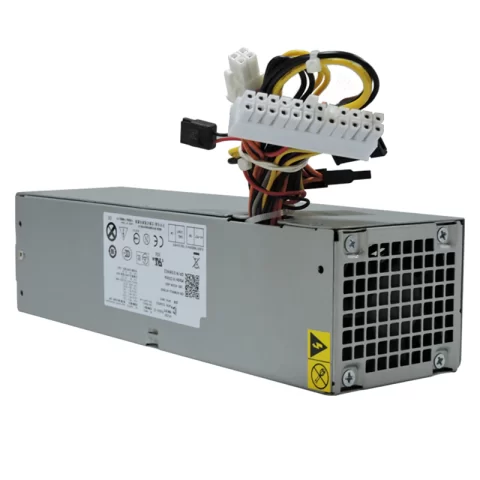 1 × $2,500.00
 -
-

-
 1 × $525.00
 -
-
 1 × $1,600.00
 -
 1 × $1,500.00
 -
 1 × $280.00
 -
 13 × $1,600.00
 -
 1 × $3,750.00
 -
 1 × $450.00
 -
 1 × $5,000.00
 -
 2 × $340.00
 -
 11 × $1,250.00
 -
-
-
 2 × $8,000.00
 -
-
 1 × $500.00
 -
 1 × $575.00
 -

-
-
 1 × $150.00
 -
-
 1 × $1,950.00
 -
 1 × $12,000.00
 -
 1 × $750.00
 -
-
-
 1 × $180.00
 -
 1 × $2,600.00
 -
-
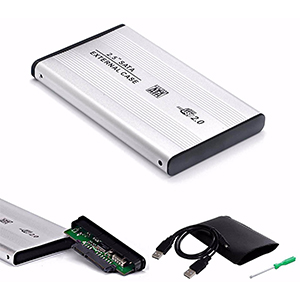 1 × $350.00
 -
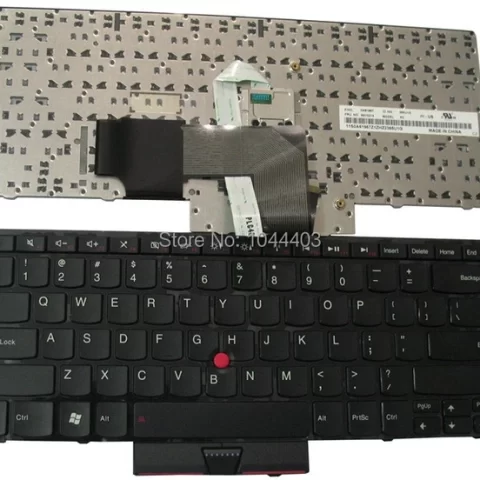 1 × $2,500.00
 -
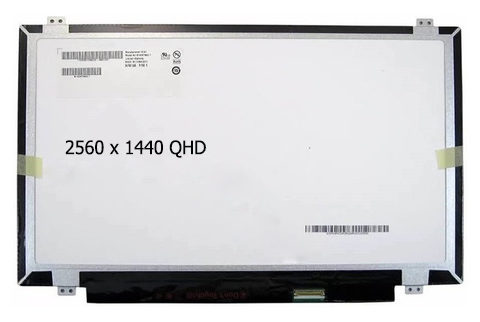 1 × $13,500.00
 -
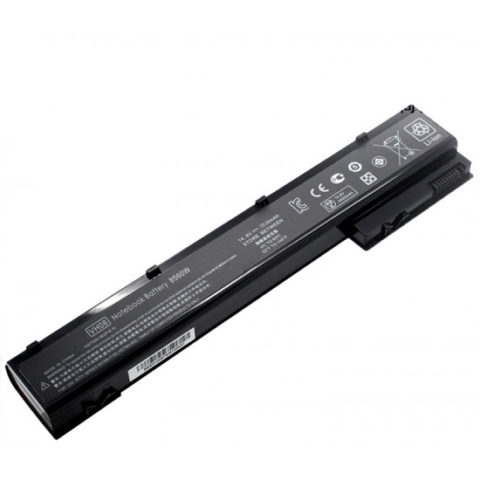 1 × $2,100.00
 -
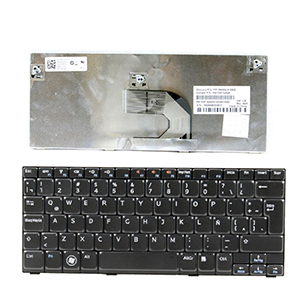 1 × $1,800.00
 -
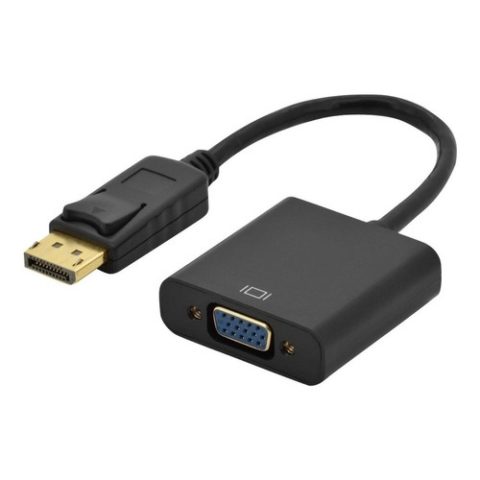 1 × $400.00
 -
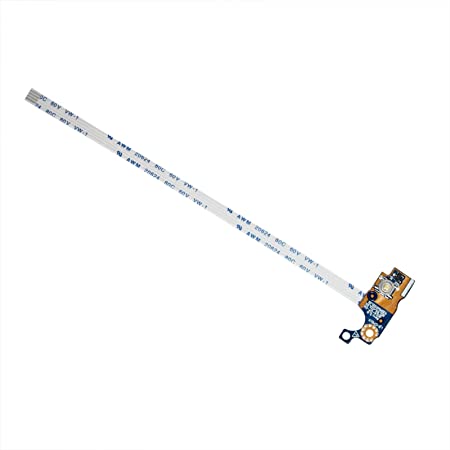 1 × $1,500.00
 -
 1 × $2,000.00
 -
 1 × $1,500.00
 -
-
 1 × $1,600.00
 -
 1 × $62.35
 -
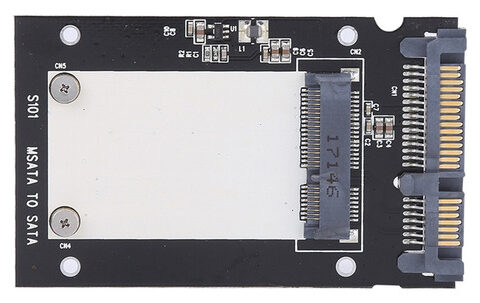 1 × $380.00
 -
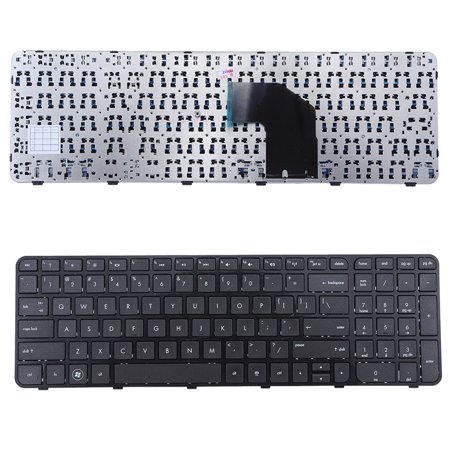 1 × $1,950.00
 -

Wow, this surprised me. Trading on an exchange can feel like learning a new subway map. I remember my first fiat deposit—clunky, nerve-wracking, and oddly thrilling—and I still get a little buzz when the balance lands. Initially I thought the process would be simple, but then I realized there are tiny steps that trip up even experienced users. On one hand the UX is clean, though actually there are regulatory and banking wrinkles that shape what you can and can’t do.
Whoa, seriously. Depositing fiat is where trust gets earned fast. Most Korean and international traders care about speed and fees, and those two things often push each other around. My instinct said to use the fastest rail—bank transfer—but I had to check limits, cutoffs, and verification stages before moving funds. After a couple of tries I patched together a workflow that reduces surprises, and I’ll share that below.
Here’s the thing. Know your verification status before attempting a deposit. Verification—KYC—can be instant or take days depending on documents and backlog. If you skip that step you’ll hit a hard stop when trying to deposit larger amounts, which is annoying and avoidable. I’m biased, but taking 10 minutes to verify fully is the best time investment before you fund any serious position. It also prevents those «why is my deposit stuck?» moments that waste time and money.
Hmm… bank choices matter. For Korean traders, local bank rails usually mean almost immediate clearing during business hours. International folks may experience intermediary banks, SWIFT delays, or extra fees that seem hidden until the final statement. When I send USD from a US bank I check both my bank’s fee schedule and the intermediary notices—double fees are a pain. On one hand you want speed; on the other hand you want lowest total cost, and striking that balance actually depends on bank pairings and weekends.
Really? Yes, timing matters. Cutoff times can make or break a trade plan if you’re reacting to news. A deposit initiated late Friday might not show until Monday, which is crucial for volatile coin moves. I once missed a quick arbitrage because my fiat transfer lagged—lesson learned. So plan deposits ahead of anticipated trades when possible.
Okay, so check the limits. Daily and monthly limits are real and they change. Upbit sets tiers based on identity verification and region, so don’t assume your limit today will be the same next month. If you’re moving large capital, contact support ahead of time; sometimes manual intervention smooths the path. I’m not 100% sure about every edge-case, but support responsiveness varies and a heads-up reduces friction.
Whoa, spot trading is where your plans meet execution. Spot interface on Upbit is straightforward: orderbook, market orders, limit orders, and toggles that feel familiar to any seasoned trader. My gut says start with limit orders until you truly understand spread and slippage on the pair you’re trading. Also watch order types—market orders look tempting in fast moves but can eat you with slippage, especially on thin KRW or altcoin pairs.
Here’s the thing. Liquidity is king. Pair selection matters more than platform aesthetics when you’re trading significant size. If you try to push a large order into a thin book you’ll move the price against yourself, and no interface band-aid will fix that. I usually break big orders into slices, and sometimes use limit laddering to reduce market impact. That method isn’t perfect, but it often saves you from paying for your own market impact.
Hmm, fees are sneaky. Upbit’s fee schedule varies by volume and pair, and sometimes promotions reduce costs for specific trades. Maker vs taker fees are the classic tradeoff; being maker can save you a few ticks per trade. But here’s the rub—if you post a maker order that never fills, your execution risk grows and opportunity slips away. So choose based on your strategy, not just headline fees.
Wow, withdrawals deserve attention too. Withdrawal delays are often due to network congestion or security holds, not the exchange UI. Withdrawals to external wallets require whitelisting, confirmation emails, and sometimes manual review for larger sums. I once set up a withdrawal and then realized my destination address wasn’t whitelisted—long headache avoided next time, but it cost minutes. Always double-check addresses and whitelists before hitting withdraw.
Seriously? Yes. Crypto network fees change constantly and will alter your withdrawal cost. On-chain withdrawals carry miner or validator fees that get passed to you, and those can spike unpredictably. If you need fiat off-ramp quickly, plan for banking hours and potential AML/KYC checks on the receiving institution. On one hand the blockchain is fast, though actually converting back to fiat is often the slowest part of the journey.
Here’s a helpful workflow. Fund a small test deposit first, then do a test withdrawal after a trade. That sounds basic, but it catches most issues. I do a $10 or $20 test run when I’m trying a new bank pairing or wallet address, and that routine has saved me from bigger glitches more than once. Somethin’ about seeing money move in small steps gives confidence without risking large capital.

Practical tips and platform quirks
I’ll be honest—some UI elements could be clearer. Upbit does a solid job, but little things like field labels or confirmation text can cause hesitation. For international users, pay attention to currency conversion displays and whether a displayed balance is pre- or post-fees. My instinct said to read every line on the confirmation modal, and that habit saved me from accidental market orders. Also, use two-factor authentication and wallet whitelisting to keep withdrawals safe; it reduces risk even though it adds steps.
Whoa, about customer support—expect variability. Support response times improve if you provide clear transaction IDs, timestamps, and screenshots. I usually include a short bullet list in my initial ticket to avoid back-and-forth that eats hours. On a few occasions manual review was required and that added delay; it stinks, but it’s often due to compliance checks rather than technical faults. Being proactive is the best way to minimize downtime.
Here’s what bugs me about exchange blogs… they often gloss over small bank quirks that matter. For example, some Korean banks require a unique reference code for deposits to tie them to your account. If you omit that code your deposit may sit in limbo. So follow the deposit instructions exactly, and when in doubt use the recommended rails the platform lists. That drill pays off when you need funds urgently.
FAQ
How long do fiat deposits take?
It depends. Domestic KRW transfers are usually fast during business hours, often minutes. International transfers (SWIFT) can take 1–3 business days and sometimes longer if intermediary banks add delays. Weekends and bank holidays slow everything down, so plan ahead.
What’s the safest way to withdraw crypto?
Use whitelisted addresses, enable two-factor authentication, and send a small test withdrawal first. Check network fees before initiating and factor in on-chain congestion. If converting to fiat, expect additional verification steps and potential bank holds for large amounts.

35 Comments