
-
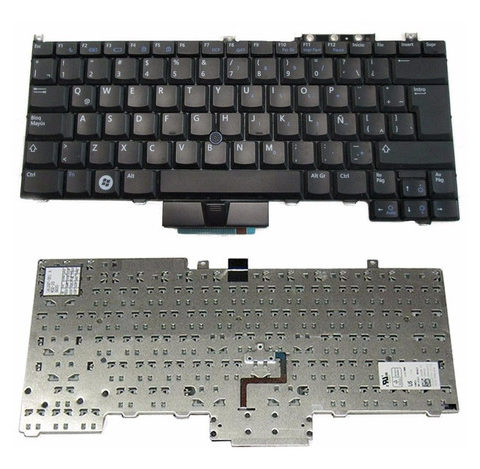 1 × $1,850.00
 -
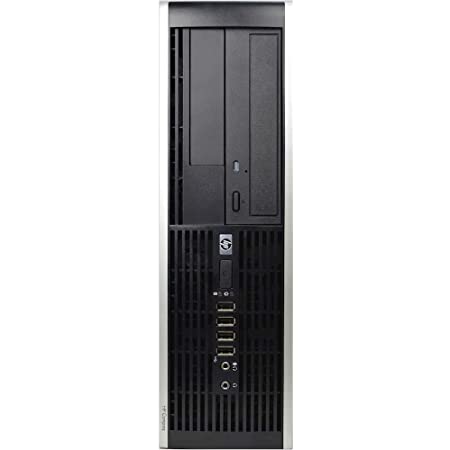
-
 1 × $800.00
 -
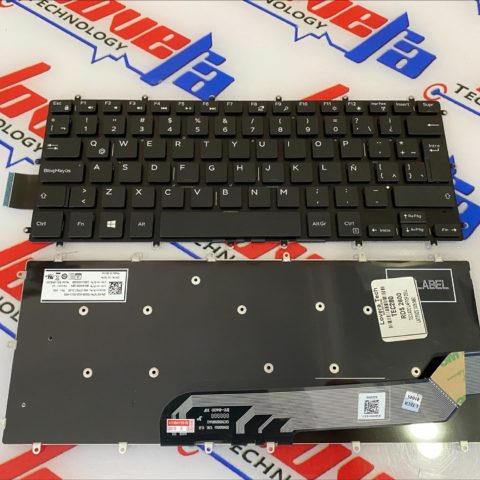 1 × $2,500.00
 -
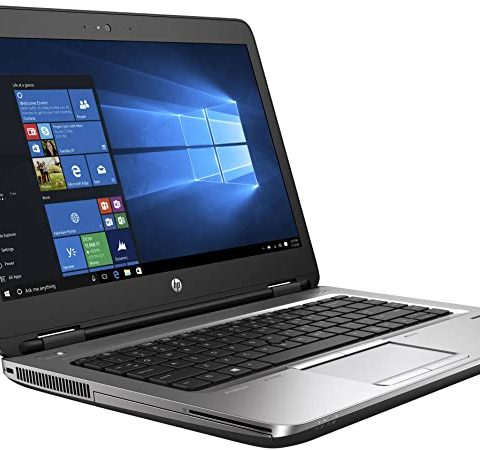 1 × $12,000.00
 -
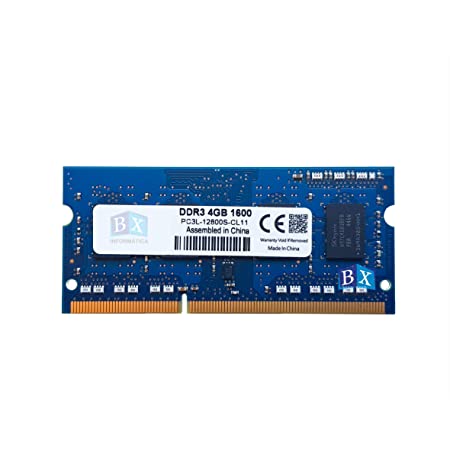 1 × $1,450.00
 -
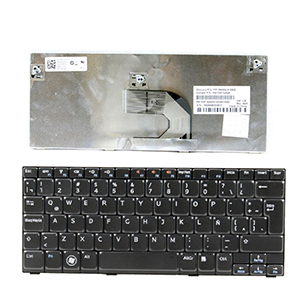 1 × $1,800.00
 -
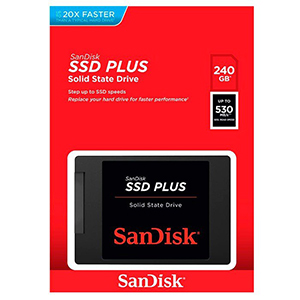 1 × $3,200.00
 -
 1 × $1,200.00
 -
 1 × $9,000.00
 -
 1 × $1,800.00
 -
-
 1 × $300.00
 -
 1 × $1,350.00
 -
 1 × $1,800.00
 -
 1 × $750.00
 -
 1 × $45.90
 -
 1 × $700.00
 -
-
 1 × $5,800.00
 -
-
 1 × $24,500.00
 -
 1 × $1,800.00
 -
-
-
 1 × $280.00
 -
 1 × $2,300.00
 -
-
 3 × $2,300.00
 -
 1 × $2,500.00
 -
-
-
 1 × $450.00
 -
 1 × $1,500.00
 -
 1 × $1,017.00
 -
-
 1 × $4,200.00
 -
-
 1 × $1,000.00
 -
Whoa! I started using crypto wallets years ago when everything felt like the Wild West. At first the interfaces were clunky and the user experience was… rough, and honestly I lost patience fast. My instinct said «this will get better,» and it did, slowly, though not without hiccups. Here’s the thing. Exodus felt like a breath of fresh air the first time I opened it—simple, colorful, and not trying to be an enamel-coated tax form.
Seriously? Yep. The first impression matters. Exodus presents a clear portfolio view that makes balances readable at a glance, which is huge for someone juggling multiple coins and tokens. I’m biased, but the design choices feel like they were made by people who actually expect non-geeks to use crypto. Initially I thought it might be just a pretty face, but then I dug into features and realized it had substance too, with integrated exchange options and portfolio tools that work on desktop without feeling bloated.
Hmm… there are trade-offs. Desktop wallets give you more control, though they also demand a little more responsibility. Backups are very very important. If you don’t secure your recovery phrase, you might as well hand over your keys to the internet. On one hand Exodus simplifies backup flows and offers helpful prompts, though actually, wait—let me rephrase that—it’s helpful for most users but power users may want extra layers like hardware wallet integration.
Okay, so check this out—when you run a multi-currency desktop wallet you want balance between convenience and security. The win for Exodus is how it manages that balance: native-looking UI for everyday tasks, plus options to connect more secure devices if you want. My gut told me to be skeptical of built-in exchanges, and I was right to raise an eyebrow; on the flip side, having a swap function inside the client saved me from hopping between services many times. On a recent Saturday I swapped ETH to USDC to rebalance, and the whole process took minutes instead of an afternoon of copy-pasting addresses.
Here’s what bugs me about some wallets. They hide fees in the fine print. Exodus tries not to do that, but fees still pop up in ways that confused me at first. I had to read the small text twice. Something felt off about a few transaction estimates—sometimes prioritization leaned expensive when congestion spiked. On one hand the fee presets are helpful; though actually it would be better if the wallet offered clearer on-chain fee explanations for folks who are new to estimations.
Wow! The asset support is impressive. It handles dozens—no, hundreds—of tokens across major chains on the desktop client, and that matters because most of us hold multiple assets these days. My portfolio includes Bitcoin, Ethereum, a couple of stablecoins, and a handful of lesser-known tokens that popped up in DeFi experiments. Initially I thought I’d need separate wallets for some tokens, but Exodus added them without forcing me into CLI work or scary manual imports.
Really? Yes. The desktop experience feels native on macOS and Windows. Performance is snappy and the app doesn’t act like a browser tab that ate an energy drink. That said, resource use can spike during updates. I noticed CPU spikes once while the app synced portfolio data, which was annoying during a video call. On reflection, though, the trade-off is decent: real-time balances and charts without sacrificing clarity.
Here’s the thing. Security has layers. Exodus stores private keys on your device, not on a server, which aligns with self-custody principles. However, I’m not 100% sure it’s foolproof for everyone out of the box—users still need to manage device security, backups, and phishing vigilance. Initially I assumed desktop meant «safer,» but then remembered that endpoint security (your laptop) is often the weak link. So yes, the app helps, but you still must do the heavy lifting.
Hmm… customer support actually surprised me. I once had a sync issue late at night and the support docs were the first thing that fixed it. Then I opened a ticket and got a helpful reply the next day. The tone was human, not robotic. On a separate occasion, a friend of mine (oh, and by the way—he’s a small-time trader in Austin) got help restoring a wallet after a system reinstall, and he was relieved to have walked through the process with clear steps.
Whoa! On the topic of integrations, Exodus plays nicely with hardware wallets. Ledger pairing is possible and that changes the risk model entirely for desktop users who want cold storage confidence without giving up convenience. Initially I thought pairing would be a pain, but the flow is straightforward and the combined setup feels robust. There are more advanced features out there, of course, but for most desktop users this hits the sweet spot.
Okay, here’s my breakdown of what works best. User experience: strong. Asset variety: wide. Onboarding: friendly. Backup guidance: meaningful but could be more explicit in edge cases. Fees and swaps: convenient, though sometimes opaque during network congestion. On one hand Exodus aims to make crypto approachable, and it succeeds at that goal; though on the other hand, power users may want deeper customizations and clearer fee controls for advanced chain interactions.
:fill(white):max_bytes(150000):strip_icc()/Exodus-0c4aa171f9fd4b72b9bef248c7036f8d.jpg)
How I Use Exodus in Everyday Life
My everyday workflow is simple. I track portfolio changes in the morning while sipping coffee. If prices jump or a rebalancing is needed I use the in-app swap to shift allocations. For larger amounts I switch to a hardware wallet connection. I’m not a day trader—I’m more of a medium-term allocator—so the desktop client fits my rhythm without being intrusive. Sometimes I leave it running to watch tiny shifts, and yeah that is a little obsessive, but it helps me learn patterns.
Initially I thought I would miss command-line power. Actually, wait—let me rephrase that—I thought a GUI would be limiting for complex transactions, but Exodus integrates the essentials so well that most of my needs are covered. For complex DeFi interactions I still use specialized tools and hardware wallets, though Exodus remains my go-to for straightforward transfers and swaps. My instinct said «keep it simple,» and Exodus respects that without being childish.
Something else worth mentioning: community trust. The folks behind this wallet have been around and they engage publicly in product conversations. That doesn’t guarantee perfection, but it lowers the anxiety threshold when updates roll out. That said, I’m not 100% sure every release will be flawless—no product is—and sometimes updates bring small regressions that take a patch cycle to fix.
FAQ
Is Exodus safe for desktop users?
Short answer: yes, if you follow good security hygiene. Store your recovery phrase offline, use a hardware wallet for larger holdings, and keep your device patched. Exodus stores keys locally, but device security is your responsibility.
Can I hold many different tokens in Exodus?
Yes, Exodus supports a wide range of coins and tokens directly in the desktop client, so you can manage multiple assets in one place without juggling many apps.
Where can I learn more or download it?
If you want to check the official desktop experience and details about features, visit exodus wallet for the latest info and downloads.
