
-
 3 × $713.00
 -
 1 × $954.00
 -
 1 × $1,800.00
 -
-
 1 × $2,450.00
 -
 1 × $1,500.00
 -
-
 1 × $20.00
 -
-
 1 × $1,026.00
 -
 1 × $1,850.00
 -
-
 1 × $1,800.00
 -
 1 × $1,800.00
 -
 1 × $2,300.00
 -
 1 × $814.00
 -
-
 1 × $950.00
 -
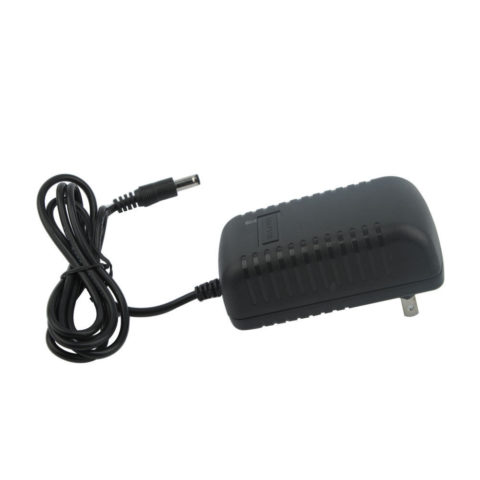 1 × $244.00
 -

-
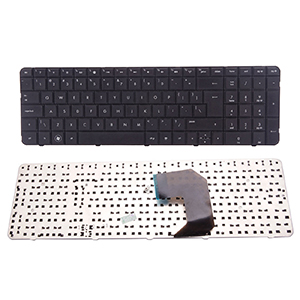 1 × $1,950.00
 -
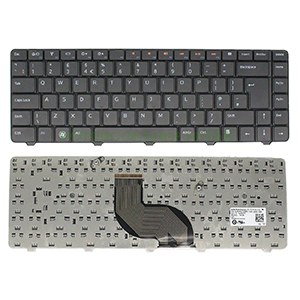 1 × $1,800.00
 -
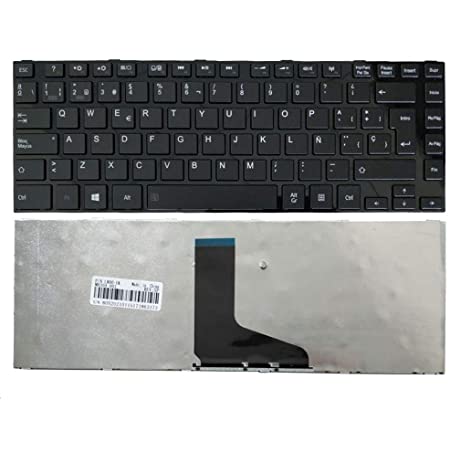 1 × $1,950.00
 -
 1 × $1,350.00
 -
 1 × $13,500.00
 -
-
 1 × $6,800.00
 -
 1 × $1,200.00
 -
 1 × $2,700.00
 -
 1 × $45.90
Okay, so check this out—if you’ve been dabbling in crypto for a bit, you might have noticed TRON popping up more and more. At first glance, it seems kinda like the underdog network buzzing quietly under the radar. But wow, there’s a lot going on beneath the surface. The TRON ecosystem is this sprawling, somewhat chaotic playground of decentralized apps and tokens—especially those TRC-20 tokens that everyone’s been talking about lately. Really?
Yeah, seriously. My first impression was that TRON was just another Ethereum clone, but then I dug deeper and realized it’s way more than that. It’s fast, cheap, and surprisingly developer-friendly, which explains why so many projects love building on it. Something felt off about the usual narratives painting TRON as just a copycat. Actually, wait—let me rephrase that. TRON’s approach might be unconventional, but that’s exactly what makes it stand out.
Here’s the thing. The TRON network operates with a different vibe. It’s designed to handle massive throughput, which means transactions are lightning quick and fees are laughably low compared to Ethereum’s gas wars. For someone who’s sent a TRX transfer or swapped TRC-20 tokens, that speed and affordability are game changers. But I’m biased, because I’ve been burned by slow, expensive transactions before—this part bugs me.
So, what’s the catch? Well, TRON’s ecosystem is still young and a bit rough around the edges. Decentralization debates aside, the network has a unique consensus mechanism called Delegated Proof of Stake (DPoS), which some skeptics say leans toward centralization. Hmm… On one hand, DPoS enables those super-fast transactions, but on the other, it raises questions about governance. Though actually, many users seem okay with this trade-off for the sake of performance.
Really? Yep. And that’s why wallets that support TRON and its various tokens are crucial. Enter tronlink. This wallet isn’t just a storage spot—it’s a gateway. It lets users manage their TRX and TRC-20 tokens seamlessly, interact with dApps, and keep control of their assets without fuss. I remember the first time I used tronlink, it was surprisingly intuitive, which is rare for crypto wallets these days.
Now, let me tell you about those TRC-20 tokens. They’re the backbone of TRON’s DeFi and NFT scenes, basically the TRON equivalent of Ethereum’s ERC-20. But here’s the kicker: because TRON transactions are so cheap and fast, moving TRC-20 tokens feels way less like a chore. Seriously, it’s almost fun to send tokens around. This advantage has helped TRON attract projects that want to avoid Ethereum’s congestion and skyrocketing fees.
However, it’s not all rainbows. The ecosystem’s rapid growth means it’s a bit like the wild west—projects pop up fast, and not all of them are solid. Scam tokens and questionable dApps exist, making it a bit of a minefield, especially for newcomers. I’ll be honest, I’ve stumbled on some shady stuff before. So, using a trusted wallet like tronlink helps filter the noise and gives a better user experience.
Check this out—
That image kind of sums up why I got hooked. The TRON ecosystem isn’t just about holding coins; it’s about interacting, building, and sometimes, taking risks. The sheer energy around TRON projects is palpable. Yet, with energy comes volatility and uncertainty. That’s par for the course in crypto, but it’s worth keeping in mind.
TRON’s Network Design: Speed vs. Decentralization
Let’s unpack the network itself a bit. TRON uses the Delegated Proof of Stake consensus, where a limited set of “super representatives” validate transactions. Initially, I thought this might be a red flag for decentralization purists. But then I realized that this design dramatically boosts speed and lowers costs, which is a big deal for everyday users who just want their transactions done without breaking the bank.
Still, some argue that having fewer validators increases the risk of control concentration. That’s a fair concern. However, TRON’s community governance allows token holders to vote for these representatives, introducing a democratic element. Of course, voter apathy is a real issue everywhere, so actual decentralization might be less ideal in practice than theory suggests.
Here’s what bugs me about this—there’s often a disconnect between technical design and real-world use. People want fast transactions, but also want perfect decentralization. It’s a tough balance. TRON leans toward performance, which suits many applications, especially gaming and microtransactions, where speed and low fees are king.
Moreover, TRON’s cross-chain ambitions add another layer. They’ve been integrating with Ethereum and Binance Smart Chain through bridges, allowing TRC-20 tokens to flow across networks. This interoperability is clever, but it also introduces complexity and security risks. So, users need to be aware and cautious—bridges can be attack vectors.
Now, back to wallets. With this complexity, having a reliable interface makes all the difference. tronlink supports multi-chain features and handles these token standards smoothly, which is impressive. For me, ease of use often trumps technical bells and whistles, especially when juggling multiple tokens and dApps.
TRC-20 Tokens: The Backbone of TRON’s Economy
TRC-20 tokens are everywhere in the TRON ecosystem. They’re not just digital assets; they represent utility, governance, and even collectibles. The variety is staggering—from stablecoins to DeFi project tokens to gaming assets. Really, the ecosystem is blossoming.
One interesting thing is how TRC-20 tokens have lowered the barrier for launching new projects. Because deploying contracts on TRON is cheaper and faster than Ethereum, smaller teams can experiment without worrying about insane gas fees. This democratization spurs innovation but also means there’s a lot of noise and sometimes low-quality projects.
On one hand, the influx of new tokens is exciting—more options, more use cases. Though actually, it can get overwhelming. Sorting through tokens to find legit projects requires due diligence. That’s why community trust and wallet support are crucial. Using wallets like tronlink helps users track and manage TRC-20 tokens safely.
And speaking of management, the wallet’s integration with dApps means you can participate in staking, yield farming, or NFT marketplaces right from your phone or browser, without juggling multiple apps. That convenience is a big deal for user adoption.
Still, sometimes I wonder—will TRON sustain this momentum? The crypto space is brutal, and networks rise and fall. But TRON’s focus on speed and low cost might carve out a lasting niche, especially if they keep improving governance and security.
Final Thoughts: TRON’s Ecosystem Is a Rollercoaster — Buckle Up
So, circling back, TRON’s ecosystem feels like a fast-moving train that’s still finding its tracks. It’s messy, exciting, and full of potential pitfalls. For users who want to dive into TRC-20 tokens and interact with decentralized apps without paying an arm and a leg in fees, it’s a breath of fresh air.
My gut says that wallets like tronlink will play an essential role in shaping the user experience going forward. They’re the bridge between the complex tech and the everyday user. And honestly, the more intuitive and secure these wallets become, the more TRON’s ecosystem will grow organically.
Anyway, I’m still watching how this all unfolds. The balance between decentralization and speed, the flood of new projects, and the evolving tools like tronlink make TRON one of the most intriguing blockchains out there. Whether you’re a casual user or a hardcore builder, it’s worth keeping an eye on.
