
-
 1 × $1,850.00
 -

-
 1 × $800.00
 -
 1 × $2,500.00
 -
 3 × $12,000.00
 -
 1 × $1,450.00
 -
 1 × $1,800.00
 -
 1 × $3,200.00
 -
 1 × $1,200.00
 -
 1 × $9,000.00
 -
 1 × $1,800.00
 -

-
 1 × $300.00
 -
 1 × $1,350.00
 -
 1 × $1,800.00
 -
 3 × $750.00
 -
 1 × $45.90
 -
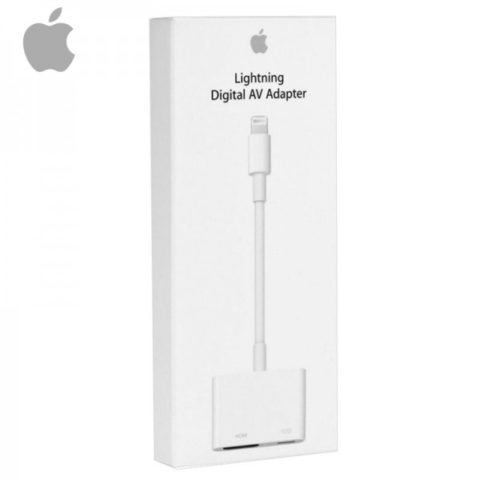 1 × $700.00
 -

-
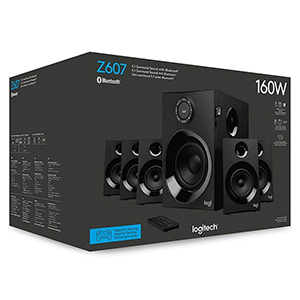 1 × $5,800.00
 -

-
 1 × $24,500.00
 -
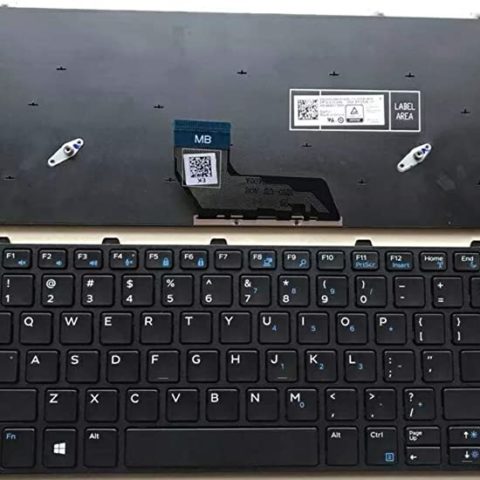 1 × $1,800.00
 -

-
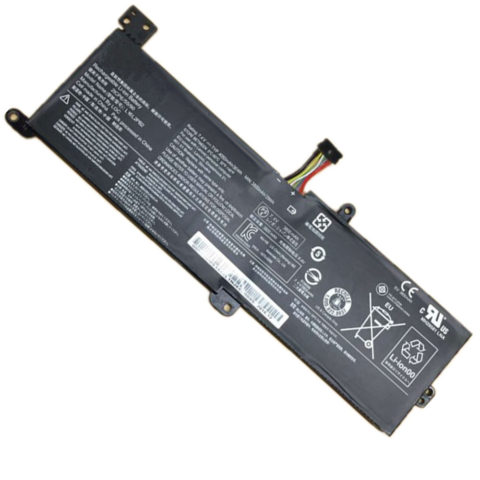
-
 1 × $280.00
 -
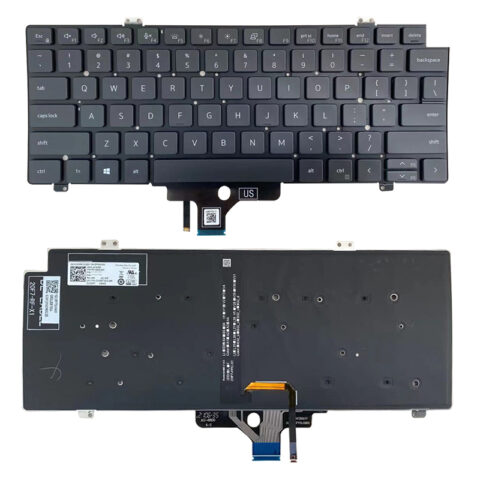 1 × $2,300.00
 -

-
 4 × $2,300.00
 -
 1 × $2,500.00
 -

-

-
 2 × $450.00
 -
 2 × $1,500.00
 -
 1 × $1,017.00
 -

-
 1 × $4,200.00
 -

-
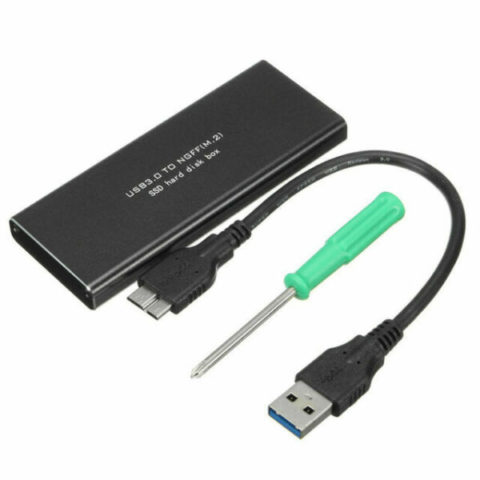 1 × $1,000.00
 -

-
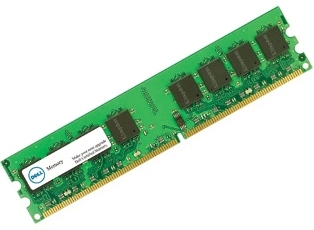 1 × $1,700.00
 -
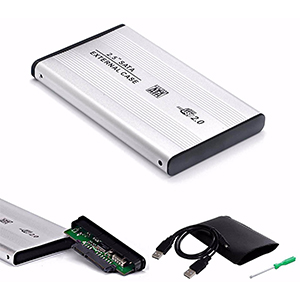 2 × $350.00
 -
 2 × $1,500.00
 -

-
-

-

-
 1 × $575.00
 -
 1 × $1,950.00
 -
 1 × $1,850.00
 -

-
 1 × $380.00
 -
-
 1 × $480.00
 -
 1 × $1,100.00
 -
 1 × $3,200.00
 -
 3 × $1,516.00
 -

-
-
 1 × $600.00
 -

-
 1 × $37,000.00
How certain are you that a transaction you sent to a DeFi pool actually did what you expected? That question sits at the center of using BNB Smart Chain (BSC) with any seriousness. A blockchain explorer is the empirical tool that converts opaque network state into readable facts: who moved what, when, and how a smart contract behaved. But explorers are not magical truth machines — they surface traces, interpretations, and telemetry that require a working model to use intelligently.
This article explains how BscScan-style explorers work for BNB Chain users, what specific data points matter when you track transactions, contracts, or tokens, and where common mental models break down. I’ll emphasize mechanism first — receipts, logs, nonces, and MEV signals — then move to trade-offs and practical heuristics you can reuse when troubleshooting, auditing, or building on BSC from the US.

How the explorer turns blocks into evidence
At base, a blockchain explorer reads the canonical ledger (the block chain) and re-presents it through queries, indexes, and human-friendly pages. For BNB Chain the explorer you will use most often exposes: block records, individual transactions (looked up by 66-character TX hash), account histories, and smart contract source and event logs. Each element is a different kind of evidence with its own strengths and blind spots.
Transaction pages: these are the primary receipt. They show inclusion in a particular block, block timestamp (UTC), sender and recipient addresses, gas price/limit, gas used, and the transaction nonce. The nonce is a simple but critical mechanism: it guarantees transaction ordering for each account and prevents replay attacks. If you see a failed transfer but the nonce advanced, the transaction still consumed gas; if the nonce didn’t change, the network never accepted the submission.
Event logs and internal transactions: smart contracts emit logs (indexed topics and blob data) when functions fire. These are not the same as on-chain token transfers recorded at the EVM level; they are supplementary traces intended for off-chain listeners and analytics. Explorers parse these logs so you can see function names and parameters, but remember logs are not authoritative state — the canonical state is the contract storage. Internal transactions, by contrast, are traces showing contract-to-contract value movements executed during a transaction; they help when tokens move via a router or factory contract instead of a direct transfer line.
Key features: what to watch and why they matter
Understanding a short list of explorer features gives immediate decision-useful power. First: smart contract verification and Code Reader. If a contract’s source is verified, you can read the actual Solidity or Vyper that produced the bytecode. That’s not a formal audit, but it moves the address from “black box” to “inspectable.” Second: public name tags. When exchanges or custodial addresses are labeled, it reduces false positives in suspicious-activity analysis and helps users identify deposit addresses quickly.
Third: MEV-related data. Modern BscScan deployments include MEV Builder information: which blocks came from builder processes and whether mitigation strategies like fair block building were used. For traders, this is relevant because it helps surface front-running or sandwich patterns. That said, MEV telemetry on an explorer is a partial signal: it can show that builders mediated certain blocks, but detecting exploitation still requires pattern analysis across timestamps, gas patterns, and order flow.
Fourth: gas, fee, and burnt fee analytics. BscScan reports gas prices in Gwei, fees paid to validators, and the amount of BNB removed by the burn mechanism on transactions. For users moving large positions or for dApp operators estimating UX costs, this feeds straightforward cost-benefit calculations: are you saving enough on opBNB L2 activity, or does the UX friction justify staying on BSC L1 for now?
Common myths vs. reality
Myth: «If BscScan shows a transaction succeeded, my tokens are safe.» Reality: a successful transaction means EVM execution completed without revert. It does not guarantee the contract’s economic invariants are secure (e.g., rug pulls, hidden owner privileges, or delayed-admin functions). Verification of source code, reading owner controls, and checking top token holders are necessary follow-ups. The explorer’s Code Reader lets you inspect the source but does not replace formal audits or dynamic testing.
Myth: «Logs are the final truth about what happened.» Reality: logs are indexed for searchability, but they can be emitted by contract code in ways that mislead if you read them without context. Always cross-check event logs with state (token balances, allowances, and storage variables) and internal transaction traces to form a complete picture.
What breaks — limitations, trade-offs, and blind spots
Explorers rely on nodes and indexers that parse the chain. That architecture creates three meaningful limits. First, indexing lag: explorers often re-index heavy traffic more slowly than the network produces it, so extremely recent blocks might display incomplete metadata or delayed token-holder snapshots. Second, off-chain inference: many labels, risk scores, and human-readable names are applied by teams or community contributions; these can be wrong. Treat tags as heuristics, not guarantees.
Third, privacy and provenance gaps: blockchain explorers do not (and cannot) resolve the real-world identity behind an address except where exchanges or custodians declare deposit addresses. That leaves investigation tasks — forensics, attribution, compliance — as an exercise in probabilistic linkage, not certainty. In the US regulatory context, explorers are perfect for audit trails but insufficient alone for KYC or legal proof without correlated off-chain records.
Practical heuristics and a short checklist
When you want to verify a transaction or inspect a token quickly, use this rule-of-thumb checklist:
1) Copy the TX hash and confirm block inclusion and timestamp. If confirmations are low, wait; nonce progression confirms whether your wallet’s transaction pool accepted a later replacement. 2) Check gas used versus gas limit and the gas price; a sudden spike in gas price at the moment of execution can indicate MEV extraction. 3) Open the internal transactions tab and the event logs tab: reconcile the token balance changes with emitted Transfer events. Discrepancies often signal proxy interactions or token hooks. 4) Look at the contract’s Code Reader: is the constructor or owner controllable? Can a privileged role alter balances or pause transfers? 5) Check top token holders and public name tags; a highly centralized holder distribution is a red flag for liquidity risk.
These steps require reading multiple tabs, but they convert an initial hunch into evidence you can act on — cancel a pending swap, dispute an exchange, or escalate a security review.
APIs, developers, and programmatic monitoring
Developers should prefer API access for continuous monitoring. BscScan exposes JSON-RPC endpoints and REST-like APIs that allow programmatic pulls of block data, event logs, and ABI interactions. For automated alerting, combine log filters with gas-fee anomalies and name-tag resolutions. But remember: the same limits apply programmatically — index lag and the need to reconcile logs with actual contract state are not solved by automation alone.
If you run a wallet extension or a monitoring service in the US, you should instrument both L1 and L2 sources because ecosystem expansion — notably opBNB and BNB Greenfield — means token flows and user actions may cross chains. The explorer’s principles extend, but you will need cross-chain correlation strategies to avoid missing bridged movements.
For readers who want to dive straight into the interface and try these diagnostics on a real transaction, a compact walkthrough is available at the bscscan block explorer page; use it to locate a TX hash and follow the checklist above on a non-custodial test transfer before you act on a high-value move.
What to watch next — conditional signals, not predictions
Watch these near-term signals rather than fixating on headlines. First, MEV telemetry maturity: if builders and block-relay schemes on BNB Chain standardize richer disclosures, users will gain better front-running exposure metrics. Second, validator behavior under PoSA: increased slashing events or concentrated validator set changes would matter for finality and censorship risk. Third, cross-chain activity: growth of opBNB or Greenfield traffic shifts where fees, UX friction, and security trade-offs show up.
Each of these is a conditional scenario: improved MEV transparency would reduce some classes of sandwich attacks, but it cannot eliminate adversarial strategies. Likewise, changes in validator economics could alter censorship incentives, but whether that happens depends on staking distribution and governance choices.
FAQ
How can I tell if a token transfer shown on the explorer is genuine?
Genuine in the sense of on-chain execution means the transfer appears in a confirmed block and the Transfer event corresponds to a change in token balances. To be confident: check the internal transactions and the token contract’s storage (balanceOf) via the explorer or a direct node query. Also review contract code for hooks that might behave differently than an ERC-20 standard transfer.
Does the explorer detect scams or rug pulls automatically?
Explorers provide signals — verified source code, top holders, and code patterns — but they do not automatically label contracts as scams with legal finality. Use the explorer as an investigative tool: centralized ownership, pausable functions, and sudden ownership transfers are red flags. Pair explorer data with community intelligence and security audits for decision-making.
Why are internal transactions different from normal transfers?
Internal transactions are EVM-level value movements caused by contract execution; they aren’t separate transactions that appear in the mempool. They reveal contract-to-contract flows (for example, a router moving tokens between pools) that standard transfer logs might not surface in a straightforward way.
How reliable are public name tags shown on the explorer?
Public name tags improve readability but are a curated layer: they can be added by community contributions or the explorer team. They are useful heuristics for identifying exchange deposit addresses, bridges, or known services, but you should not treat them as definitive legal attributions without corroborating information.
