
-
 1 × $2,000.00
 -
-
 1 × $1,800.00
 -
 1 × $2,500.00
 -
 1 × $2,500.00
 -
 1 × $1,275.00
 -
-
 1 × $2,500.00
 -
-
-
-
-
-

-

-

-
 1 × $2,200.00
 -
-
 1 × $200.00
 -
 1 × $180.00
 -
 1 × $244.00
 -
-
 1 × $200.00
 -
 1 × $203.00
 -
-
 1 × $250.00
 -
 1 × $1,700.00
 -
 1 × $1,531.00
 -
 1 × $200.00
 -
 1 × $750.00
 -
 1 × $450.00
 -
 1 × $350.00
 -
 1 × $8,200.00
 -
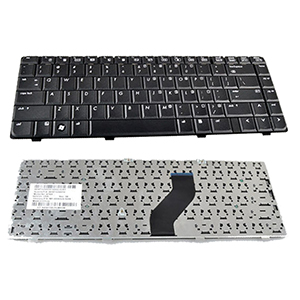 2 × $1,184.00
 -
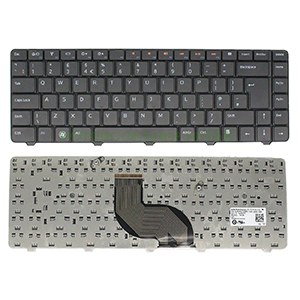 1 × $1,800.00
 -
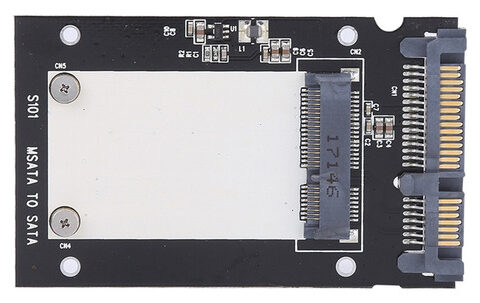 1 × $380.00
 -
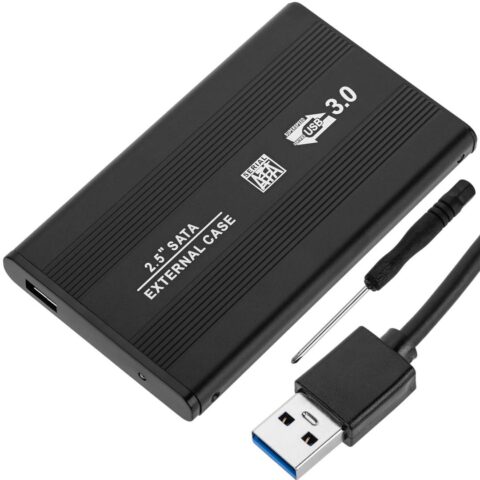 1 × $480.00
 -
 1 × $2,600.00


Okay, so check this out—I’ve been juggling wallets and payment pages like they were hot potatoes. The first impression felt messy and a bit too technical for what should be a quick task. My instinct said there had to be an easier way to buy crypto with a card and manage multiple chains on a single phone app. On one hand I wanted something simple and slick, though actually I couldn’t sacrifice security for convenience. Whoa!
Buying crypto with a card is, honestly, way more convenient for most people than bank transfers. Seriously? Yes — between instant fiat conversion and fewer hoops, cards win on speed and friction. Yet speed without good custody and chain support can leave you stuck with tokens you can’t move or trade. Initially I thought any wallet that supports card purchases would be the same, but then I realized there are real differences in who they partner with, fees, and what chains they immediately support. Hmm…
Here’s the thing. Mobile wallets that let you buy crypto with a card and support many chains are trying to solve two separate problems at once. First is the onramp — turning USD (or other fiat) into a token using a card or bank. Second is custody and multi-chain access — holding private keys and interacting with Ethereum, BSC, Solana, and more. These are different beasts with different trade-offs, and the best mobile solutions make that distinction invisible to the user. Wow!
Most users want the promise: tap your card, get tokens, and spend them on any chain without headaches. The reality is messier because swaps and bridges introduce slippage and risk. On-chain compatibility isn’t automatic, and sometimes purchased tokens arrive as wrapped or as a custodial balance that doesn’t move the way you’d expect. I’m biased, but this part bugs me — it feels like being sold a sports car that needs a tow truck to start. Hmm…
Fast note about fees and UX. Fees hide in card processor margins, network gas, and intermediary swap charges. The app can show a single price, but under the hood there might be three or four fees stacked together. Initially I thought transparency was optional, but then I realized transparency builds trust and reduces chargebacks. Really?
Okay, so what to look for in a multi-chain mobile wallet that supports card purchases. Look for clear partner disclosures — who is handling the fiat onramp. Look for native token support across chains so your assets arrive as usable tokens, not locked or wrapped versions. Also check whether the wallet gives you full control of private keys from the start or whether it’s custodial until you claim keys later. Whoa!
Security matters more than glossy UI. A good mobile wallet should offer clear backup flows, encrypted local key storage, and optional hardware-wallet pairing. On the other hand, too many checkboxes can confuse everyday users, so balance is key. Initially I trusted a polished UI, but then a moment of panic during a recovery taught me to dig deeper into seed phrase handling and account export options. Hmm…
Some wallets will let you buy crypto with a card directly inside the app using in-app partners. Others redirect you to a third-party checkout page. The difference can be subtle but it affects support and fraud resolution. If the purchase flow is embedded, support might be faster and less confusing; though sometimes embedded flows collect more personal info up front. Really?
Let me walk you through a practical flow that I use and recommend, and then I’ll point out common failure modes. First, I open the wallet and verify chain compatibility for the token I want. Second, I select buy with card, check the partner and the fee breakdown, and confirm the on-chain destination address shown in the wallet. Third, after purchase, I verify that the token is present in the correct chain account and, if necessary, do a tiny test transfer. Whoa!
That tiny test transfer is a habit I formed after losing access to a token on the wrong chain. Small moves protect you from big mistakes. I’m not 100% sure why more people don’t do this, but it’s a lifesaver. On one hand it feels tedious, though on the other hand it avoids deposit losses and long support tickets. Hmm…
About multi-chain support: native support beats bridges most of the time. Native tokens mean you can use DeFi apps and DEXs immediately without wrapping or extra steps. But native support requires the wallet to understand chain-specific addresses and token standards, and not every wallet keeps up with every new chain. Initially I assumed «multi-chain» meant everything, but then realized wallets prioritize dozens of popular chains and may lag on niche ones. Really?
There are trade-offs in token discovery too. Some wallets auto-detect assets and some require manual token addition. Auto-detect is friendlier, but it can also clutter your UI with dust tokens. Manual addition is cleaner, though it requires a bit more know-how — and a copy-paste from a token contract address if the token is new. Whoa!
Now about the mobile experience specifically. Mobile screens force prioritization: what you see first shapes decisions. A crisp buy flow, obvious security steps, and inline help reduce abandoned purchases. Too many modals or hidden fees cause frustration and chargebacks, which hurt both users and the wallet ecosystem. I’m biased, but good UX in this space feels like breathing: you notice it only when it’s missing. Hmm…
Check the wallet’s community and support channels. A responsive support team and transparent help docs make big differences when something goes sideways. Some problems require manual intervention from a payments partner, and that can take days. Initially I expected a 24-hour turnaround, but then learned that banking partners and AML checks sometimes stretch timelines. Really?
Here’s a practical tip: avoid using a card on the first day you set up a new wallet unless you finish backups first. Back up your seed phrase, verify it, then proceed. That sequence reduces the chance you lock yourself out after a successful purchase. People skip this all the time — I’ve seen it happen. Whoa!
If you want a recommendation for a wallet that balances card purchases and multi-chain features, try apps that emphasize self-custody, transparent onramps, and a broad chain roster. One app I’ve used and mention often because of its balance of UX and security is available at https://trustwalletus.at/. It’s not perfect, but it handles card buys and native chain support in a way that keeps things simple for mobile users. Hmm…
Some common failure modes to watch for: wrong chain deposits, unsupported tokens appearing as placeholders, and hidden intermediary fees. Diagnose these by checking transaction hashes in a block explorer and confirming the chain ID in your wallet’s receive screen. Initially these checks sounded nerdy to me, but they quickly became routine. Seriously?
Also, be aware of regulatory and KYC trade-offs. Faster onramps tend to require stronger KYC, which is fine until you care about privacy. On the flip side, weaker KYC can mean slower dispute resolution or higher fraud risk. I’m not 100% comfortable with all KYC practices, but I understand why they’re there. Whoa!
For power users who want to move tokens across chains, consider integrated swaps and trusted bridges inside the wallet. They reduce friction but can add cost. On one hand convenience is great; though on the other hand bridging risk still exists and sometimes a manual reputable bridge is safer. Hmm…
Okay, quick checklist before you buy crypto with a card on mobile: back up your keys, verify the chain, review partner fees, do a tiny test transfer, and confirm token receipt as native. That’s it — simple steps prevent most headaches. Really?
FAQ — Quick answers from someone who’s made the mistakes
Is buying crypto with a card safe?
Yes, when you use a reputable wallet and vetted payment partners, card purchases are generally safe, but always check fees, KYC requirements, and whether the tokens arrive as native assets you control.
What does multi-chain support really mean?
It means the wallet recognizes multiple blockchains natively so that tokens land where you can use them, but coverage varies — check support lists and token discovery behavior before buying large amounts.
Should I keep crypto in the app after buying?
For everyday use it’s fine, but for large holdings consider hardware wallets or exported seed phrases, and always verify your backup before relying on the app alone.
