
-
 1 × $4,000.00
 -
 1 × $1,000.00
 -
 2 × $1,500.00
 -
 3 × $20.00
 -
-
 1 × $1,650.00
 -
-
 2 × $1,500.00
 -
 1 × $900.00
 -
 1 × $990.00
 -
-
 1 × $525.00
 -
 1 × $1,600.00
 -
 1 × $1,600.00
 -
 1 × $639.00
 -
 1 × $660.00
 -
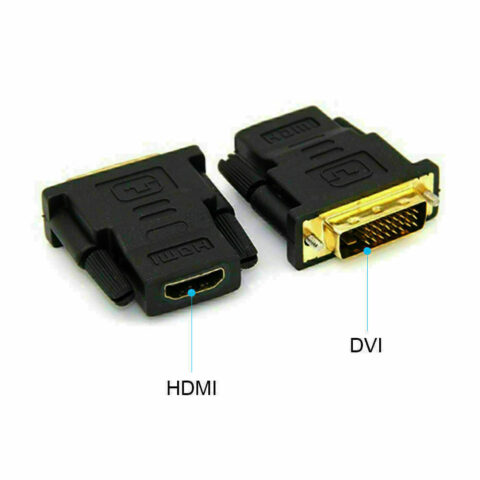 4 × $250.00
 -
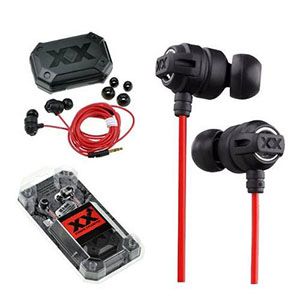 1 × $387.00
 -
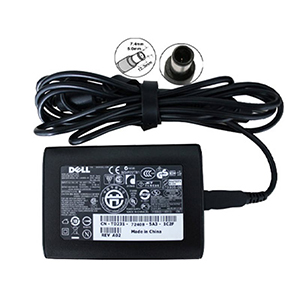
-
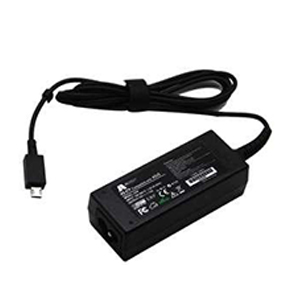 2 × $1,500.00
 -
-
 1 × $1,044.00
 -
 1 × $3,750.00
 -
 2 × $2,250.00
 -
 1 × $200.00
 -
 1 × $575.00
 -
 2 × $1,500.00
 -
 1 × $600.00
 -
 1 × $1,275.00
 -
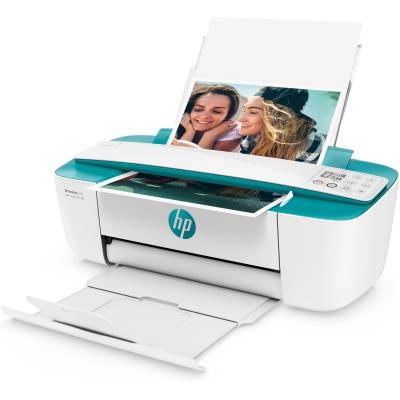 2 × $4,000.00
 -
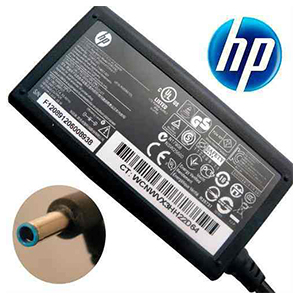 1 × $1,600.00
 -
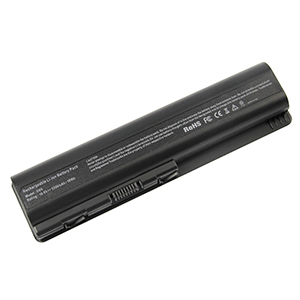
-
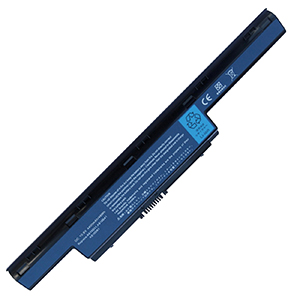 2 × $2,000.00
 -
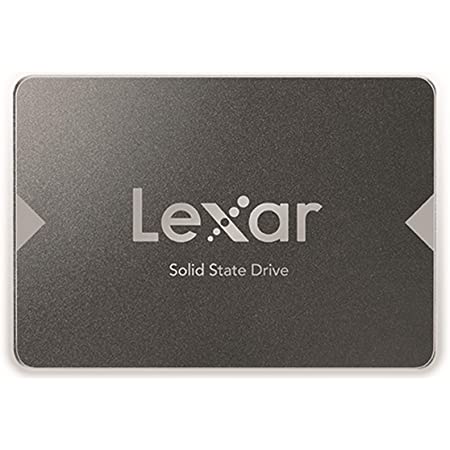 2 × $2,092.00
 -
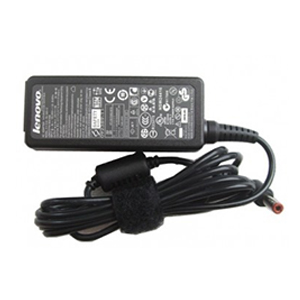 1 × $1,000.00
 -
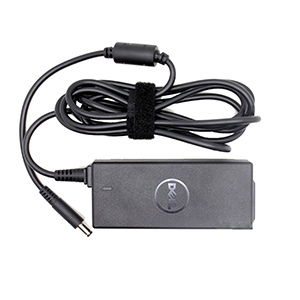 2 × $1,600.00
 -
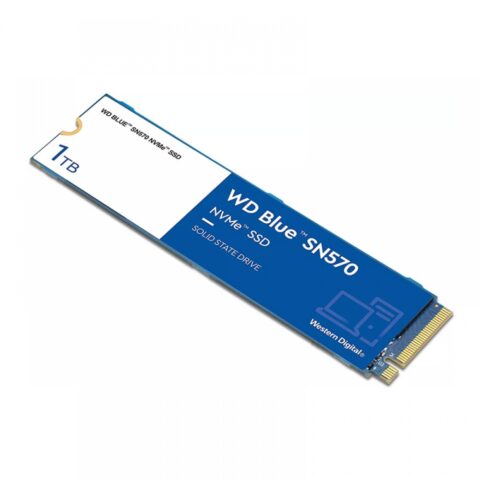 1 × $7,500.00
 -
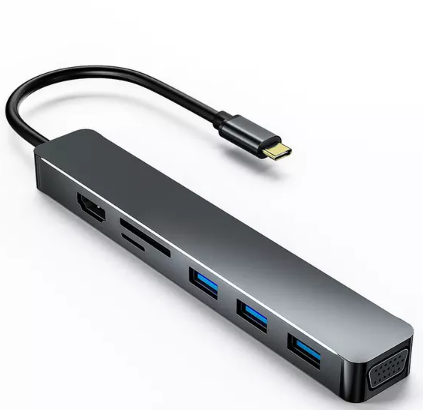 2 × $1,450.00
 -
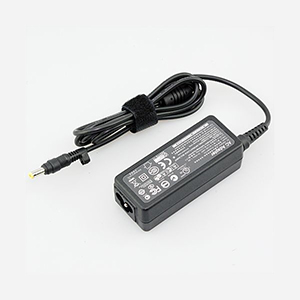 2 × $814.00
 -
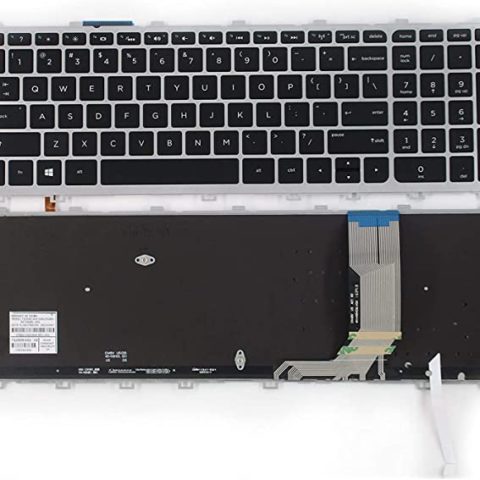 1 × $3,500.00
 -
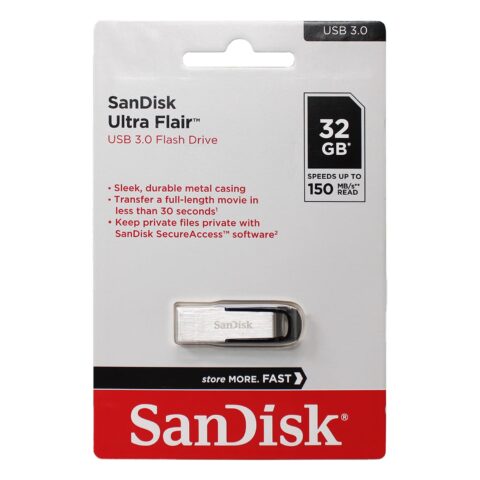 1 × $525.00
 -
 1 × $950.00
 -
 1 × $1,500.00
 -
-
 2 × $2,500.00
 -
-
 2 × $2,400.00
 -
 1 × $4,000.00
 -
 1 × $120.00
 -
 1 × $637.00
 -
 1 × $2,500.00
 -
 2 × $230.00
 -
-
 1 × $2,000.00
 -
-
 1 × $4,012.00
 -
 1 × $1,400.00
 -
 2 × $1,000.00
 -
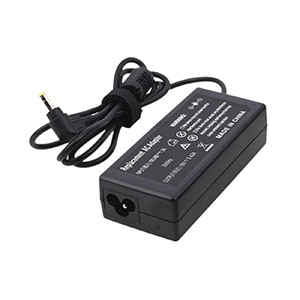 1 × $1,000.00
 -
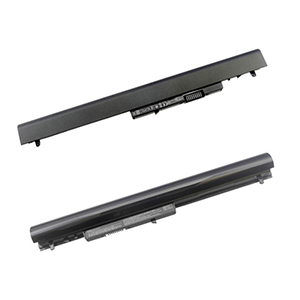 1 × $2,400.00
 -
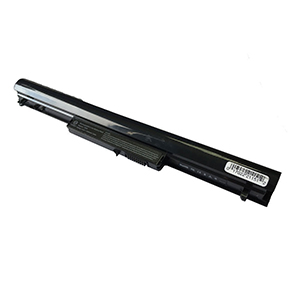
-
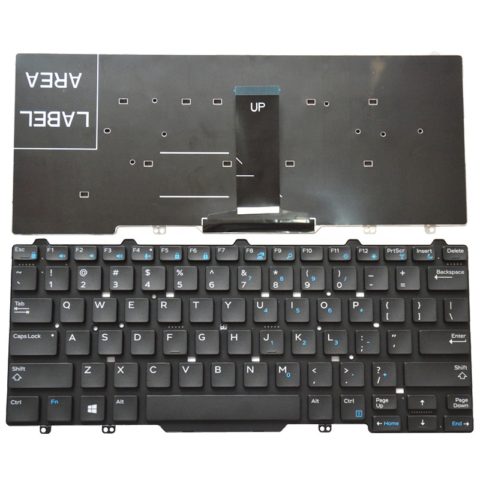 1 × $2,200.00
 -
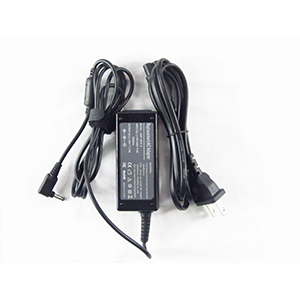 1 × $1,206.00
 -
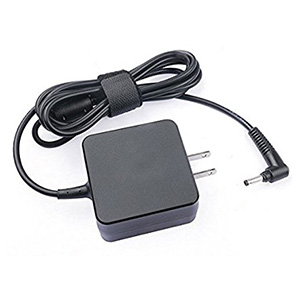 1 × $2,500.00
 -
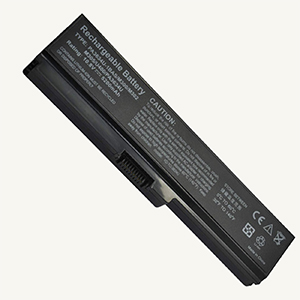
-
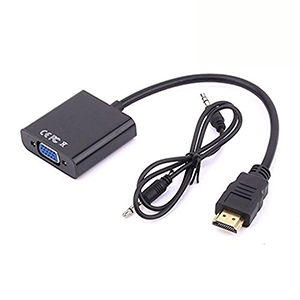 1 × $324.00
 -
 1 × $1,200.00
 -
 1 × $3,200.00
 -
 1 × $2,500.00
 -
-

-
 1 × $1,600.00
 -
 1 × $650.00
 -
-
 1 × $1,750.00

Ever get that weird feeling when hopping between crypto wallets and exchanges? Like somethin’ just doesn’t quite click? Yeah, me too. The whole ecosystem feels kinda fragmented, right? You’re juggling a dozen keys, switching tabs, and praying no gas fees eat your lunch. Well, here’s the thing: cross-chain bridges and centralized exchange (CEX) integrations might finally smooth out this mess. But it’s not all sunshine—there’s complexity layered under the hood that most don’t see at first glance.
Okay, so check this out—cross-chain bridges essentially let you move assets across different blockchains seamlessly. At first, I thought, “Cool, problem solved.” But then I realized it’s way more nuanced. Bridges can be vulnerable points; that’s not news. Still, the way they’re evolving, especially when coupled with CEXs like okx, is pretty fascinating. Traders now get near-instant swaps without hopping through endless hoops. Wow! It’s like combining the best of both worlds—speed and decentralization—though actually, there’s always some trade-off.
My instinct said to be skeptical about bridges for a long time. I mean, some of them got hacked badly. But then again, thinking slower about it, the newer iterations have beefed up security layers. Not perfect, but a leap forward. What bugs me is how people often overlook the friction that happens when integrating these bridges directly into wallets that are connected to CEXs. It’s a very very important piece, honestly, because that’s where user experience can either take off or crash hard.
Let me share a bit of personal experience. I recently trialed a wallet extension that syncs directly with okx. At first, it felt clunky—like the wallet was trying to do too much. But after digging in, I got why this integration matters: it cuts down on the annoying back-and-forth between on-chain and off-chain worlds. The wallet acts as a bridge and a gateway, making deposits, withdrawals, and trading feel way more fluid. Hmm… you wouldn’t expect a browser extension to handle that so smoothly, but it did.
Still, I’m not 100% sure this approach scales well yet. There’s a lot of moving parts here, from smart contract reliability to user interface design that actually makes sense for traders who aren’t blockchain experts. Sometimes the UX feels like it was designed by devs for devs, not traders. That disconnect bugs me.

Cross-Chain Bridges: The Double-Edged Sword
Alright, so cross-chain bridges are often painted as the holy grail of interoperability. They allow assets like Ethereum tokens to hop over to Binance Smart Chain, or vice versa, without selling or converting manually. But here’s the kicker—these bridges rely on lock-and-mint or burn-and-release mechanisms that introduce trust assumptions. That means you’re trusting a custodian or a set of validators to do the right thing. Seriously? That kinda goes against the whole trustless ethos crypto is built on.
On one hand, bridges are enabling a new wave of decentralized finance (DeFi) applications that span multiple chains. On the other, they open attack vectors that hackers love to exploit. I mean, just look at the multi-million dollar exploits we’ve seen in the last couple years. So, yeah, while the tech is promising, it’s also a risky tightrope walk. And honestly, the average trader might not even realize the risks baked into the process.
But here’s an interesting twist: when you combine these bridges with centralized exchanges that have deep liquidity and compliance structures, you get a hybrid model that can offer the best of both worlds. Traders get access to multiple blockchains’ assets but with the safety net of a trusted exchange that can step in if something goes sideways. It’s not pure decentralization, but it’s pragmatically useful.
That’s where wallets integrated with CEXs like okx come into play. They provide a unified front end, making it easier to move assets cross-chain and execute trades without worrying about bridging failures. The wallet handles all the complicated stuff behind the scenes, which is a huge win for usability.
Yet, the question remains—how much centralization is too much? Traders who crave full sovereignty might balk at this. But frankly, for day-to-day trading, having that safety net and streamlined workflow can outweigh ideological purity. I’m biased, but I think most retail traders want convenience first.
Why Integration with CEX Matters More Than You Think
Initially, I thought CEXs were just about liquidity and order books. That’s the obvious part. But then I realized their role in bridging on-chain and off-chain worlds is super critical. For example, the okx wallet extension provides direct integration with the OKX exchange. This means you don’t have to transfer funds out of your wallet to trade on the exchange manually; it’s all synced up. Whoa! That’s a major time saver and reduces the chance of user error.
Think about it: in traditional crypto trading, you’re always juggling at least two interfaces—your wallet and your exchange account. Moving funds around is clunky and slow, not to mention the fees and delays. With integrated wallets, you get a single pane of glass. But wait—let me rephrase that—it’s not just about convenience. It also enhances security by limiting the number of on-chain transactions you have to initiate yourself. That’s less exposure to phishing or mistakes.
On the flip side, this integration requires trust in the exchange’s security and custody practices. If the exchange gets compromised, your assets linked to the wallet could be at risk. So actually, this trade-off between convenience and security is more complicated than it seems. Traders need to think about what they value more: control or ease.
And here’s where I get a little skeptical. Some wallets claim they offer “non-custodial” access but are tightly integrated with CEXs. It sounds great, but the lines blur. Are you really in control if your wallet’s private keys are linked to an exchange account? The answer is nuanced. For some, that’s acceptable. For others, it’s a dealbreaker. I guess it depends on your trading style and risk tolerance.
Still, for active traders who want to capitalize on market moves quickly, these integrated solutions are a godsend. You can hop between chains, swap assets, and execute trades nearly instantaneously without losing precious time. Time is money in this game.
Final Thoughts: Where Do We Go from Here?
So, cross-chain bridges plus CEX-integrated wallets are shaping up to be the next frontier in crypto trading. But honestly, the landscape is still very much a work in progress. The tech is evolving, security challenges persist, and usability needs to get better—no doubt about it.
What excites me is how platforms like okx are pushing the envelope. Their wallet extension shows that you don’t have to sacrifice convenience for security entirely. But it’s not flawless, and as traders, we have to stay sharp about the trade-offs we’re making.
At the end of the day, I think the future is hybrid—smart wallets that balance decentralized control with centralized exchange speed and liquidity. That’s where I’m putting my chips, even if it means accepting somethin’ less than perfect for now.
And hey, if you’re a trader tired of the hopping and juggling, giving this kind of integrated setup a shot wouldn’t hurt. Just be mindful of the risks and keep your eyes peeled for updates. Crypto never stands still, and neither should we.

1 Comment