
-
 1 × $6,983.00
 -

-
 1 × $2,000.00
 -
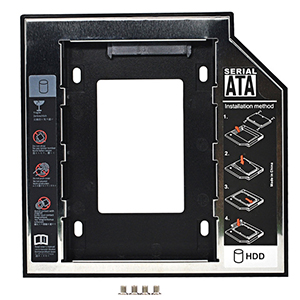 1 × $500.00
 -
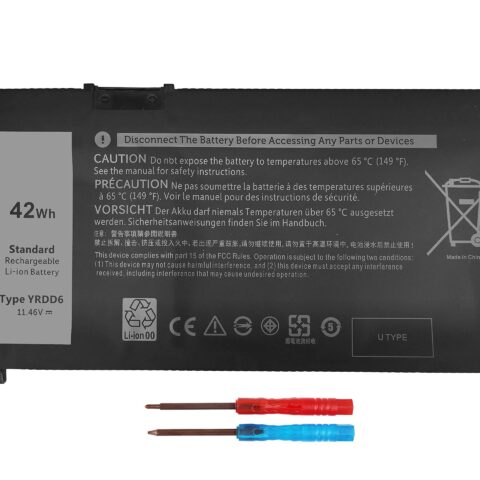
-

-
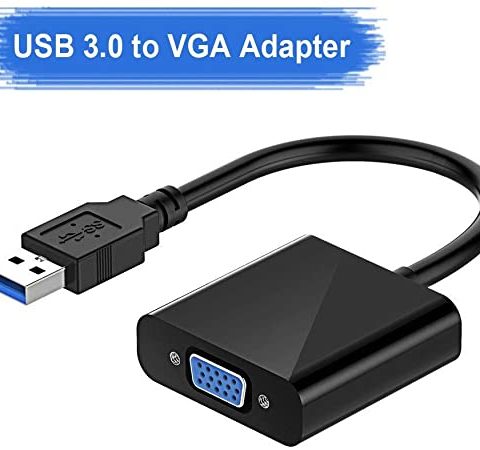 1 × $800.00
 -

-
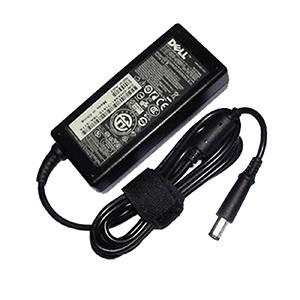 1 × $1,884.00
 -
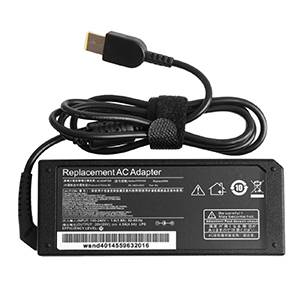 2 × $1,044.00
 -
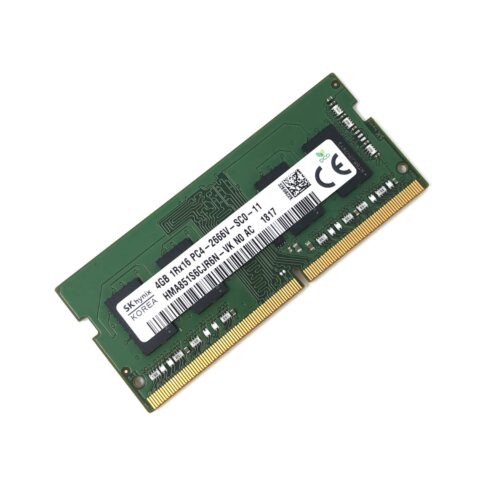 1 × $1,650.00
 -
 1 × $1,275.00
 -
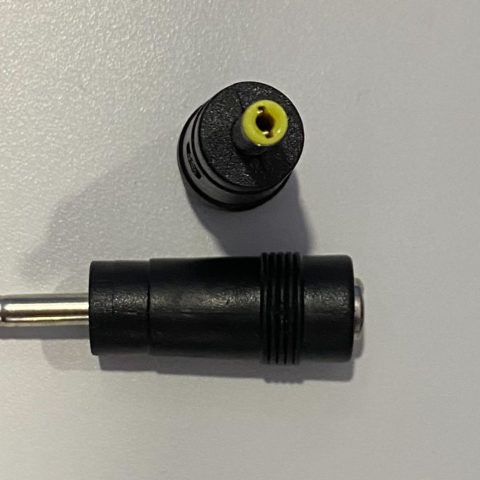 1 × $150.00
 -

-
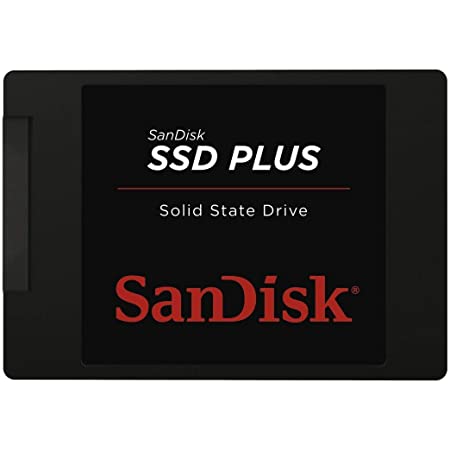 1 × $8,800.00
 -
 1 × $1,450.00
 -
 2 × $4,000.00
 -
 1 × $1,600.00
 -
 1 × $2,500.00
 -
 1 × $814.00
 -
 1 × $1,700.00
 -
-
 1 × $1,600.00
 -
 1 × $1,000.00
 -
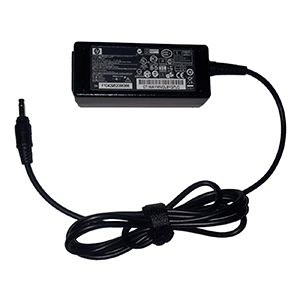 1 × $1,400.00
 -
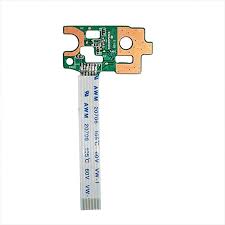 1 × $1,200.00
 -
 1 × $2,500.00
 -
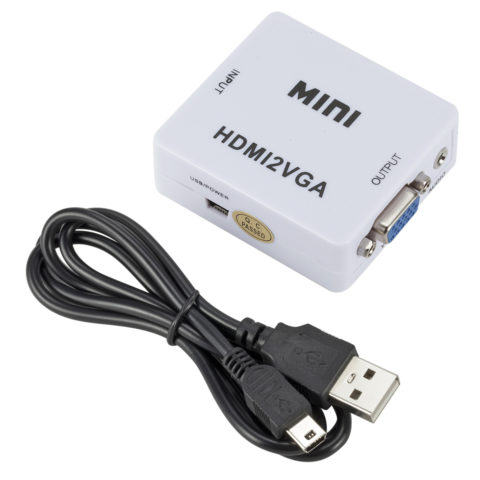 1 × $380.00
 -
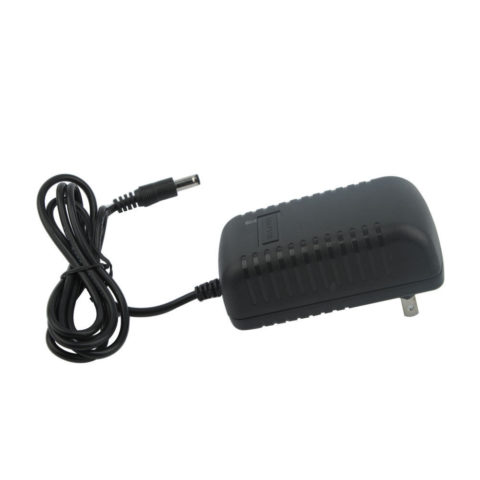 1 × $244.00
 -
 1 × $5,000.00
 -

-
-
 1 × $1,500.00
Mid-scroll I paused. Wow! Something about a token chart made me sit up. My gut said this looked like one of those quiet breakouts, the kind that gets loud fast. Initially I thought it was just another meme pump, but then realized the on-chain flows told a different story. Seriously, there’s a pattern here that traders miss if they only watch price candles.
Okay, so check this out—token discovery in DeFi isn’t glamorous. It’s messy. You dig through liquidity pools, hash out who added what and when, and then try to infer intention from timing and size. My instinct said the first big liquidity add is often the loudest signal. On one hand a new pool can be a legit launch; on the other hand it can be a staged trap with liquidity pulled later. Hmm… it’s a puzzle with moving pieces and you learn to read the seams.
Some background first. Token discovery used to mean Twitter hype and influencer drops. Now it’s smarter and faster—on-chain scanners, DEX aggregators, and real-time trackers are doing the heavy lifting. I’m biased, but I think the quality of your tools matters more than your hot take. The most disciplined traders watch token flow into and out of liquidity pools more than they watch tweets. There’s a reason for that: liquidity movement equals real money shifting, not just chatter.
Here’s the thing. Many traders misread volume spikes. They see a big trade and assume price will keep rising. Nope. You need context. Who made the trade? Was it a router swap, a single whale, or multiple retail buys? Was liquidity added right before the spike? The timing around initial liquidity adds is crucial because it often reveals whether a project intends to bootstrap real usage or just bootstrap a flash rug. On-chain data gives that context if you know where to look.

Reading Liquidity Pools Like a Detective
Start with the pool creation event. The contract creation tells you a lot. A brand-new LP paired with a stablecoin shows a team trying to signal long-term usability. A pairing with a volatile token sometimes screams «arbitrage play» or «quick flip.» Initially I thought the presence of a stable pairing guaranteed safety, but then realized teams can add temporary stable liquidity and then dilute. So, not foolproof.
Really? Yes. Watch for multiple LP adds from different wallets in quick succession. That can be legitimate community support. Or it’s coordinated to create an illusion of distributed liquidity. My method is simple: track the wallets that add liquidity, record time differences, and flag repeats. If the same cluster of addresses keeps appearing, that cluster might be project-aligned. Also somethin’ about the gas patterns—when they do small, regular LP adds right before market opens in the U.S., my antenna go up.
Volume is one thing, but depth is another. A token might trade with high volume on thin liquidity, which means slippage kills exits. If you’re a trader you care about this more than the hype. I prefer pools with deeper liquidity and multiple large LP contributors. That tends to reduce sudden price gouges and provides smoother exit routes.
On-chain watchers like me follow a few rituals. Scan new token lists. Monitor whale transfers. Note the first buys after LP add. When large wallets take profits quickly, that’s a red flag. When they hold, that can be encouraging. But hold on—holding could also be a staged accumulation to set up a later dump. It’s messy, and you get better by making mistakes and learning fast.
Practical Tools and a Small Recommendation
If you want to save time, use a real-time dashboard that flags pool creations and big transfers. I use a blend of alerts and manual checks. The dashboards surface candidates; then I dig into the contract and the liquidity history. One useful resource I often point people to is the dexscreener official site, which I check to see live pair movements and chart overlays. That site gives the kind of immediacy you need when a token spawn goes viral.
My habit is a two-step scan. First pass: list new pools with at least $X in initial liquidity. Second pass: verify token contract, owner renounce status, and transfer patterns. I vary the $X depending on chain and market mood. On a quiet Sunday I might take smaller pools, and on a red-market day I want more cushion. There’s no single rule that works always.
Also—watch router interactions. If swaps route through many hops, that can conceal real liquidity sources. Traders who ignore routing details get burned. Seriously, routing opacity is often used to launder exit routes. So check the path and examine every hop’s reserves. This extra five minutes saved me from a messy exit once; the trade would have cleaned me out otherwise.
Something bugs me about overreliance on indicators. Indicators are lagging by nature. Real-time on-chain signals are leading. If you tune into newly created pools and peer into who added liquidity when, you get a sneak peek. My instinct said this years ago. I was right… mostly. But of course I’ve been wrong sometimes, so I’m careful about position sizing.
Behavioral Patterns and Market Psychology
On a human level, launches are social events. Pump psychology plays a role. Initial buyers often flip off hype, and later buyers chase. When you see coordinated buys from multiple retail wallets hitting at the same block, that could be bot-driven retail aggregation. On one hand that shows demand; though actually it often means whales are testing depth. You learn to read the crowd and separate organic traction from engineered volume.
I’ll be honest—fear of missing out is the engine of bad trades. The faster the FOMO, the higher the chance the move is unsustainable. I still feel that tug sometimes. My system is to set a strict size cap on any first-time token trade. If it pops and holds after several blocks, I escalate. If it fizzles, I cut quickly and move on. It’s boring discipline, but it works.
Also, don’t undervalue social proofs like GitHub commits or a project roadmap. They don’t guarantee success, but they help with conviction. Conversely, a glossy website and anonymous devs with no track record are red flags. I’m not saying every anonymous project is bad—some are great—but the odds of a clean exit go up with accountability.
Common Questions I Get
How soon can you tell a token is risky?
Often within the first few minutes you can spot signals. Watch liquidity adds, large wallet sells, and router complexity. If multiple warning signs line up, assume risk is high. My rule: three independent red flags and I stay out or go tiny.
Can on-chain tools replace due diligence?
No. They augment it. Tools flag anomalies quickly, but human judgment still matters. Initially I trusted tools blindly, but then realized they only surface candidates. You still need to read contracts, check teams, and size positions defensively.
Okay, closing note—I’m more cautious now than when I started. That shift came after several burns and a few big wins. The emotional arc of trading moves from thrill to method. You want to keep some edge and some curiosity. And yeah, every now and then I still jump on a tiny, noisy token just to feel the rush… but it’s a controlled gamble. Somethin’ remains the same: the chains don’t lie. Learn to listen to them, and you get the better odds.
